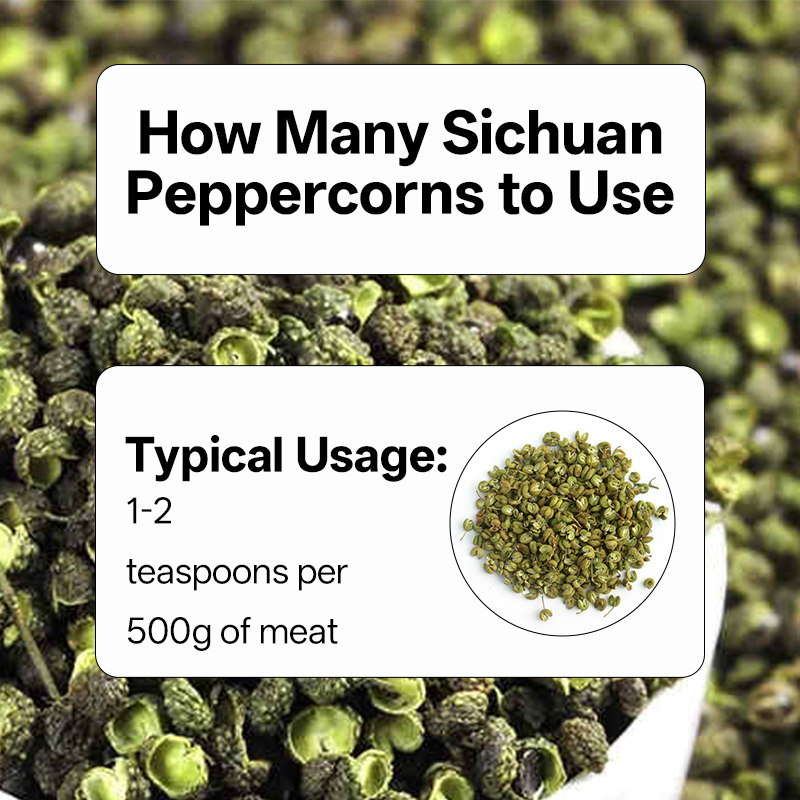
Introduction: The Numbing Enigma
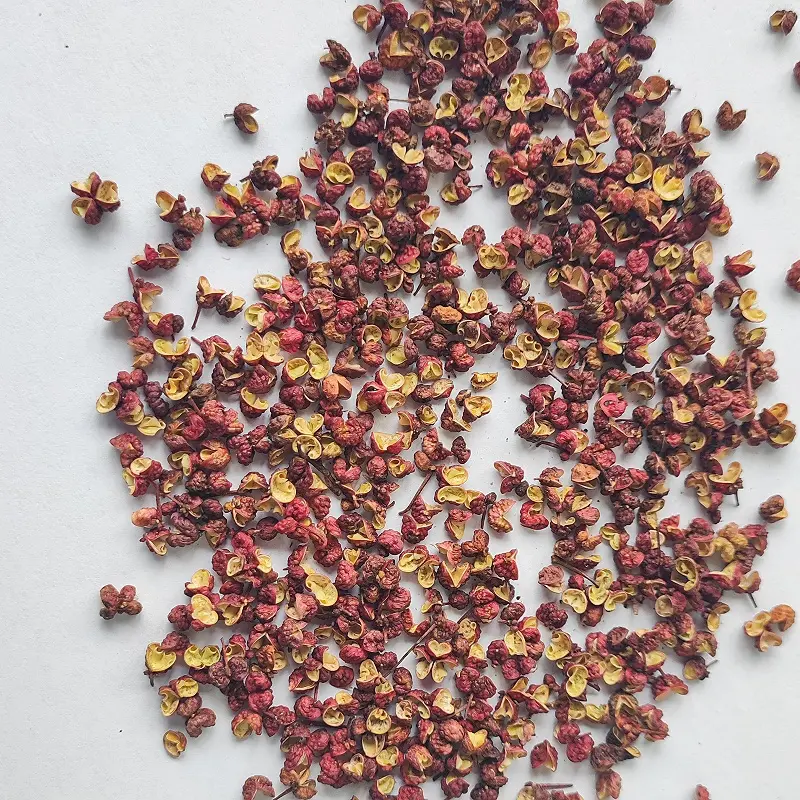
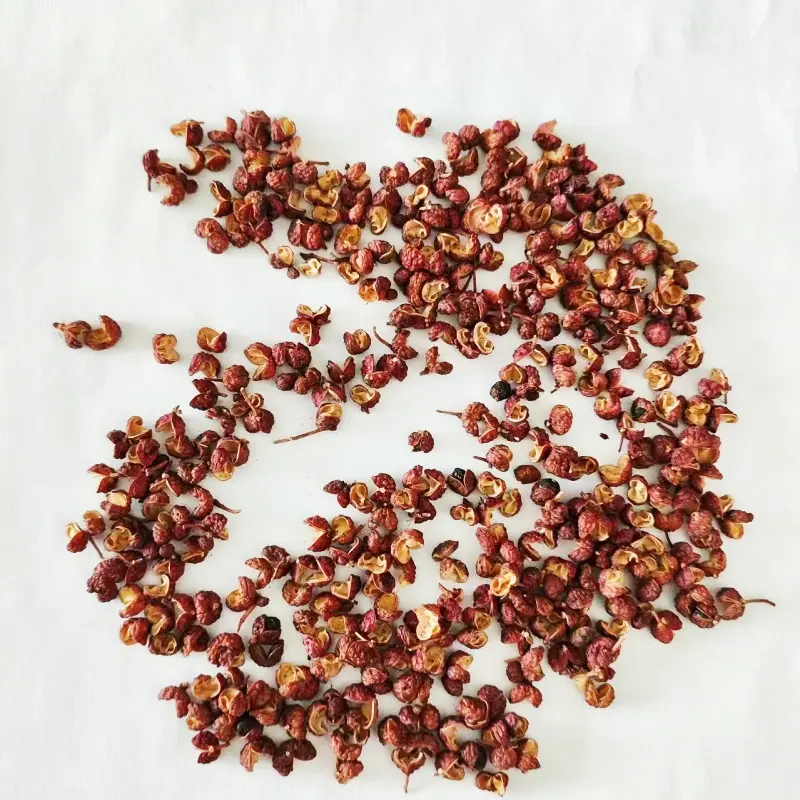
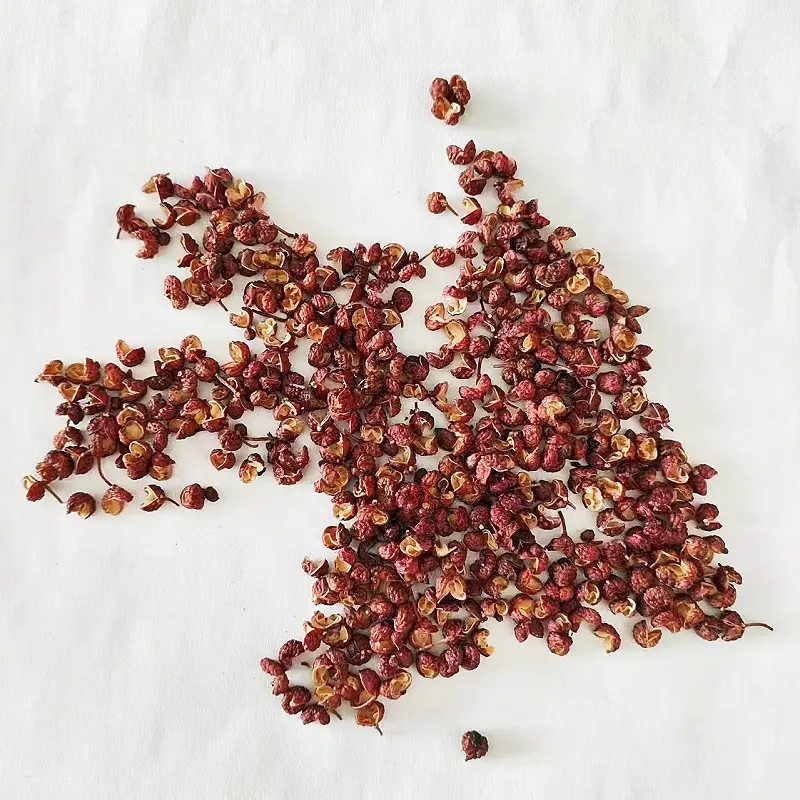
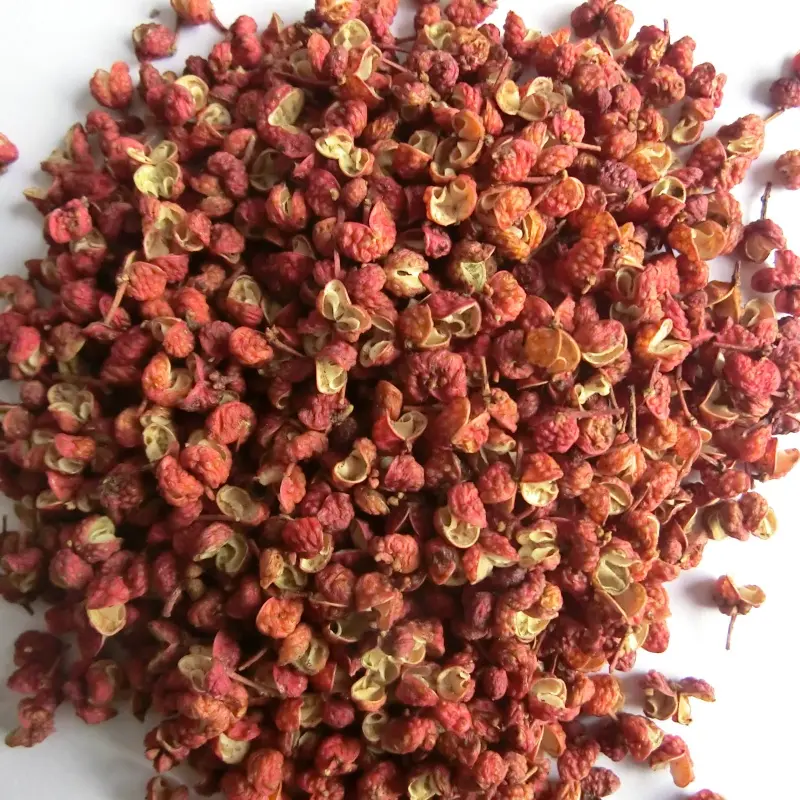
In the vast landscape of global cuisine, few ingredients provoke as much curiosity—and occasional confusion—as the Sichuan peppercorn. Known scientifically as Zanthoxylum, this tiny berry is not a true pepper (like black or white pepper from the Piper nigrum plant) but rather the dried husk of seeds from the prickly ash tree. Its signature characteristic is not heat, but "ma," a unique tingling, numbing sensation that dances on the tongue, often paired with "la" (spiciness from chili peppers) to create the famous Mala flavor profile of Sichuan cuisine.
For chefs, food manufacturers, and culinary enthusiasts, the question is rarely whether to use Sichuan peppercorns, but how much. Using too little renders the dish flat and indistinguishable from standard spicy food; using too much can overwhelm the palate, causing an unpleasant loss of sensation that ruins the dining experience. Finding the perfect balance is both an art and a science.
This article delves deep into the quantitative aspects of using Sichuan peppercorns. By analyzing sensory research data, industry standards, and culinary experiments, we will provide concrete usage ratios for various applications. We will explore the differences between red and green varieties, the impact of processing methods on potency, and how to scale recipes from a home kitchen to industrial production. Finally, we will introduce Weifang Manna Foods Co., Ltd., a global leader in spice processing, as your ideal partner for sourcing high-quality, consistently potent Sichuan peppercorns.
Part 1: Understanding Potency – The Science of Hydroxy-alpha-sanshool
To determine "how many" peppercorns to use, one must first understand what drives the sensation. The primary active compound responsible for the numbing effect is hydroxy-alpha-sanshool. Unlike capsaicin (found in chilies), which triggers pain receptors, hydroxy-alpha-sanshool activates touch receptors (specifically Meissner's corpuscles), creating a vibration-like sensation at approximately 50 Hz.
Research indicates that the concentration of hydroxy-alpha-sanshool varies significantly based on:
Variety: Red (Zanthoxylum bungeanum) vs. Green (Zanthoxylum armatum).
Origin: Soil composition and climate in regions like Hanyuan, Maoxian, or JinYang in China.
Harvest Time: Early harvest often yields higher volatile oil content.
Processing: Roasting and grinding can either release or degrade these volatile compounds.
The Varietal Difference: Red vs. Green
Before discussing quantities, it is crucial to distinguish between the two main types, as their potency differs.
Red Sichuan Peppercorns: These have a woody, citrusy aroma with a moderate numbing effect. They are the traditional choice for Mapo Tofu and Kung Pao Chicken.
Green Sichuan Peppercorns: Often more aromatic with a lemony freshness, green peppercorns generally possess a stronger, sharper numbing intensity (higher sanshool content) compared to their red counterparts.
Implication for Usage: If a recipe calls for red peppercorns and you substitute green, you must reduce the quantity by approximately 20-30% to achieve the same sensory impact without overwhelming the diner.
To learn about the differences between green and red Sichuan peppercorns, please refer to this article: Green sichuan peppercorn vs red sichuan peppercorn
Part 2: Quantitative Guidelines for Culinary Applications
Determining the exact number of peppercorns is difficult because size varies. Therefore, professional kitchens and food scientists rely on weight ratios (percentage of total dish weight) or volume measurements relative to other ingredients. Below is a synthesis of data from culinary institutes and sensory panel testing to establish baseline usage rates.
2.1. Home Cooking and Restaurant Plating
In a standard stir-fry or braised dish serving 2-4 people (approx. 500g of main protein/vegetable mix), the margin for error is small.
Table 1: Recommended Usage Ratios for Standard Hot Dishes
| Dish Type | Flavor Profile Goal | Ratio (by Weight) | Approx. Count (Whole)* | Sensory Outcome |
|---|---|---|---|---|
| Mild Aromatic | Citrus fragrance, subtle tingle | 0.3% - 0.5% | 15 - 25 pcs | Background note; enhances freshness. |
| Classic Mala | Balanced numbing & heat | 0.8% - 1.2% | 40 - 60 pcs | Distinctive tingling; hallmark of Sichuan cuisine. |
| Intense Numbing | Heavy "Ma" focus | 1.5% - 2.0% | 75 - 100 pcs | Strong vibration; requires chili balance. |
| Infused Oil | Aroma extraction only | 2.5% - 3.0% (of oil) | Varies | High concentration needed for extraction. |
*Note: Count estimates based on average medium-grade Red Sichuan Peppercorns (approx. 0.05g per corn). Green peppercorns are lighter; adjust count upward by 10% if measuring by piece.
Practical Application Example:For a classic Mapo Tofu (serving 4, using 400g tofu and 150g minced pork):
Total Solid Weight: ~550g.
Target Ratio: 1.0% (Classic Mala).
Calculation: 550g × 0.01 = 5.5g.
Execution: Use roughly 5.5 grams of whole red peppercorns. If using pre-ground powder, reduce to 3.5g as powder releases potency faster.
2.2. Industrial Food Manufacturing and Compound Seasonings
For food manufacturers producing snack foods, instant noodles, or compound seasoning packets, consistency is paramount. A variance of 0.1% in a 10-ton batch can result in thousands of dollars of wasted product or customer complaints.
Industrial formulations often use Sichuan peppercorn extract or super-fine powder to ensure uniform distribution. However, when using whole or cracked corns in marinades or dry rubs, precision is key.
Table 2: Industrial Formulation Standards for Dry Rubs and Snacks
| Product Category | Target Market | Inclusion Rate | Particle Size | Critical Control Point |
|---|---|---|---|---|
| Spicy Snack (e.g., Latiao) | Mass Market (Mild) | 0.4% - 0.6% | Fine Powder (80-100 mesh) | Ensure even coating to avoid "hot spots." |
| Instant Noodle Sachet | Export (US/EU) | 0.2% - 0.3% | Micro-encapsulated/Extract | Heat stability during sterilization. |
| Premium Meat Marinade | Gourmet/Restaurant | 1.0% - 1.5% | Cracked (10-20 mesh) | Oxidation control; pack immediately. |
| Dipping Powder (Dry Dip) | Street Food Style | 3.0% - 5.0% | Coarse Grind | High concentration for dilution by food. |
Data Insight:A 2024 sensory study conducted on exported spicy snacks revealed that Western consumers (US/Canada/Europe) prefer a "Mala" intensity level of roughly 60% of what is standard in Chengdu, China. This suggests that for export-oriented products, the usage rate should be capped at 0.5% even for "spicy" labeled items, whereas domestic Chinese markets tolerate rates up to 1.2%.
Part 3: The Impact of Processing on Dosage
The form in which you purchase or use the peppercorn drastically alters "how many" you need. The cellular structure of the peppercorn holds the volatile oils. Breaking this structure releases the aroma and the numbing agents, but also exposes them to oxidation.
3.1. Whole vs. Ground: The Potency Decay Curve
Whole Peppercorns: Retain 95%+ of their hydroxy-alpha-sanshool for up to 12 months if stored correctly. When used in braising, they release flavor slowly. You may need to use 20% more by weight in a short stir-fry compared to a long braise because there is less time for extraction.
Freshly Ground: Releases 100% of available aroma immediately. The dosage should be reduced by 30% compared to whole corns added at the start of cooking.
Pre-Ground (Commercial): Often loses 40-50% of volatile oils within 3 months of packaging. To achieve the same effect as fresh ground, you might need to double the quantity, though this risks adding "dusty" off-flavors from the degraded material. View related products: Chinese prickly ash powder for sale
Table 3: Conversion Factors for Different Forms
| Form of Peppercorn | Relative Potency | Adjustment Multiplier | Best Use Case |
|---|---|---|---|
| Whole (Start of Cook) | 1.0x (Baseline) | 1.0 | Braises, Stocks, Long-simmered stews. |
| Whole (Tempered in Oil) | 1.4x | 0.7 | Stir-fries, Chili Oils (rapid extraction). |
| Freshly Ground | 1.5x | 0.65 | Finishing sprinkle, Dry dips, Marinades. |
| CO2 Extract/Oleoresin | 20.0x | 0.05 | Industrial mass production, Beverages. |
Note: The "Adjustment Multiplier" indicates how much of the form you need relative to the baseline. E.g., if a recipe calls for 10g whole, use only 6.5g freshly ground.
3.2. The Role of Temperature
Heat is a double-edged sword. Mild heating (120°C - 140°C) in oil activates the sanshools and creates the signature aroma. However, temperatures exceeding 180°C or prolonged boiling can degrade the numbing compounds.
Frying: If frying peppercorns in oil to make chili crisp, do not exceed 3 minutes at medium heat. Over-frying reduces potency by up to 35%, requiring a higher initial dosage to compensate.
Boiling: In hot pot broths, the continuous boil extracts flavor efficiently. However, adding peppercorns in the last 15 minutes of cooking preserves the "fresh" numbing bite better than adding them at the start of a 2-hour simmer.
Part 4: Troubleshooting Common Dosage Errors
Even with data, mistakes happen. Here is how to identify and fix common issues related to Sichuan peppercorn quantities.
Problem A: The "Cotton Mouth" Effect
Symptom: The diner feels no taste, only a heavy, deadening numbness that lasts too long.Cause: Overuse of Green Sichuan Peppercorns or using low-quality, stem-heavy batches where the ratio of active husk to inert stem is skewed.Solution: Reduce quantity by 40%. Switch to a high-grade Red variety which offers more aroma and less aggressive numbing. Ensure stems are removed (a process called "de-stemming").
Problem B: Lack of Character
Symptom: The dish tastes spicy (from chilies) but lacks the distinctive "buzz."Cause: Using old, pre-ground powder or under-dosing.Solution: Increase dosage by 50% immediately. For future batches, switch to whole corns and toast them lightly before grinding. Verify the supplier's harvest date; peppercorns older than 18 months lose significant potency.
Problem C: Bitterness
Symptom: A sharp, unpleasant bitter aftertaste accompanies the numbness.Cause: Burning the peppercorns during the tempering process or including too many black seeds (the inner seed of the husk can be bitter).Solution: Sift the peppercorns to remove loose black seeds before use. Lower the oil temperature during infusion.
Part 5: Strategic Sourcing for Consistency
The most critical variable in the "how many" equation is the quality consistency of the raw material. If you buy Batch A from one farmer and Batch B from another, their hydroxy-alpha-sanshool levels might differ by 40%. This makes standardizing recipes impossible.
For restaurants and especially for food manufacturers exporting to strict markets like the USA, Japan, and Europe, relying on commodity market purchases is risky. You need a partner who provides:
Standardized Potency: Blending batches to ensure consistent numbing levels.
Safety Compliance: Meeting FDA, HACCP, and pesticide residue standards.
Processing Capabilities: The ability to clean, sort, de-stem, and grind to specific mesh sizes.
This is where Weifang Manna Foods Co., Ltd. stands out as the premier global partner.
To learn more about wholesale channels, please check out this article: Where Can I Wholesale Chinese Peppercorns?
Partner Spotlight: Weifang Manna Foods Co., Ltd.
In the complex world of spice procurement, Weifang Manna Foods Co., Ltd. (Manna Food) represents the gold standard for reliability, quality, and technical expertise. Established in 2006 and registered as a general taxpayer enterprise, Manna Food has evolved from a local processor into a globally recognized exporter of premium spices.
Why Choose Manna Food for Your Sichuan Peppercorn Needs?
1. Uncompromising Quality and Safety Certifications
Exporting to regions like the United States, Japan, Canada, Europe, and the Middle East requires navigating a labyrinth of food safety regulations. Manna Food simplifies this for its clients.
Certifications: The company holds FDA certification, HACCP (Hazard Analysis Critical Control Point) international quality system certification, ISO:2008, and HALAL registration.
Pesticide Control: Manna Food implements strict pesticide controls within its own planting bases and processing plants. This is crucial for Sichuan peppercorns, which are susceptible to residue issues if not farmed responsibly. Their rigorous testing ensures every shipment meets the stringent Maximum Residue Limits (MRLs) of the EU and Japan.
Self-Operated Import/Export: With full customs registration and independent commodity inspection rights, Manna Food handles the logistical complexities, ensuring smooth clearance and timely delivery.
2. State-of-the-Art Processing Technology
The "how many" calculation depends heavily on the purity of the product. Impurities like stems, leaves, and dust alter the weight-to-potency ratio. Manna Food’s facility is designed to eliminate these variables.
Advanced Equipment: The workshops utilize stainless steel machinery throughout, preventing contamination. Key equipment includes:
Color Sorters: To remove discolored or defective corns, ensuring visual uniformity.
Strong Demagnetizers & Metal Detectors: Critical for passing foreign object detection tests required by major global retailers.
Special Powder Beaters & Grinding Equipment: Capable of producing custom mesh sizes (from coarse cracks to ultra-fine powders) tailored to your specific formulation needs.
Vacuum Packaging & Automatic Filling: Ensures freshness and precise portion control for retail-ready products.
Custom Processing: Whether you need whole red peppercorns, de-stemmed green peppercorns, or a custom compound seasoning blend, Manna Food processes according to your specific requirements.
3. Global Reach and Product Diversity
Manna Food is not limited to just one type of spice. Their main product portfolio includes:
Red Sichuan Peppercorns: The classic choice for traditional flavors.
Green Sichuan Peppercorns: For fresh, intense numbing profiles.
Szechuan Pepper Powders: Processed to retain maximum volatile oils.
Compound Seasonings & Dehydrated Vegetables: One-stop solutions for ready-to-cook meal kits and snack manufacturers.
Their export footprint spans the United States, Japan, Canada, Europe, the Middle East, and Taiwan, proving their ability to adapt to diverse cultural taste preferences and regulatory environments.
4. Commitment to Consistency
For a food manufacturer, consistency is currency. Manna Food’s own factory allows them to control the entire chain from raw material selection to final packaging. By blending batches and utilizing sophisticated testing, they ensure that the "numbing units" per gram remain consistent year over year. This stability allows your R&D team to set a fixed formula (e.g., exactly 0.8% inclusion rate) with confidence, knowing the raw material won't deviate.
Conclusion: Precision Meets Quality
Determining the correct amount of Sichuan peppercorns is a delicate balance of science, sensory evaluation, and raw material quality. As we have explored, the ideal dosage ranges from 0.3% for subtle aromatics to 2.0% for intense numbing experiences, heavily influenced by the variety (red vs. green), the form (whole vs. ground), and the target market's tolerance.
However, data tables and ratios are only as good as the ingredient they are applied to. Inconsistent quality, pesticide residues, or poor processing can render even the most precise calculations useless. To truly master the art of Mala, one must partner with a supplier who treats spice processing with scientific rigor.
Weifang Manna Foods Co., Ltd. offers that perfect synergy of tradition and technology. With nearly two decades of experience, a fully certified stainless-steel facility, and a proven track record of exporting to the world's most demanding markets, Manna Food is more than just a supplier—they are a strategic partner in your culinary success.
Whether you are a chef looking for the perfect batch of whole red peppercorns or a multinational corporation needing tons of customized spice blends, Manna Food delivers the consistency, safety, and quality you require. Don't leave your flavor profile to chance. Choose the partner that guarantees precision in every grain.
Contact Weifang Manna Foods Co., Ltd. today to request samples, discuss your specific processing needs, and elevate your products with the authentic, high-quality taste of Sichuan.
Appendix: Quick Reference Cheat Sheet
| Scenario | Recommended Action |
|---|---|
| New Snack for US Market | Start with 0.4% Green Peppercorn powder; conduct sensory panel. |
| Authentic Mapo Tofu (Home) | Use 1 tsp (approx. 2g) whole Red Peppercorns, toasted/ground, per 2 servings. |
| Chili Oil for EU Export | Source de-stemmed, color-sorted Red Peppercorns from Manna Food for compliance. |
| Recipe Tastes Bitter | Check for burnt corns/seeds; switch to a supplier with better cleaning capabilities. |
Disclaimer: The data provided in this article serves as a guideline. Actual usage should be adjusted based on specific ingredient potency, consumer preference testing, and local food safety regulations.
811.webp)