Introduction
Chinese peppercorns—commonly known as Sichuan peppercorns or Szechuan pepper—are no longer a niche spice limited to regional Chinese cuisine. With the global rise of Sichuan cooking, hot pot culture, and Asian fusion foods, demand for authentic Chinese peppercorns has surged across North America, Europe, the Middle East, and East Asia.
For spice importers, food manufacturers, restaurant supply chains, and private-label brands, one key question continues to come up:
Where can I wholesale Chinese peppercorns reliably, safely, and at scale?
This article provides a comprehensive, research-backed guide to wholesaling Chinese peppercorns. We will cover:
Major production regions in China
Types of Chinese peppercorns and quality differences
Global wholesale supply chains
Pricing structures and volume considerations
Food safety, certifications, and compliance requirements
Key factors when choosing a wholesale supplier
Why working directly with a certified Chinese manufacturer offers advantages
We conclude by recommending a proven, export-oriented supplier for long-term cooperation.
Understanding Chinese Peppercorns in the Global Market
What Are Chinese Peppercorns?
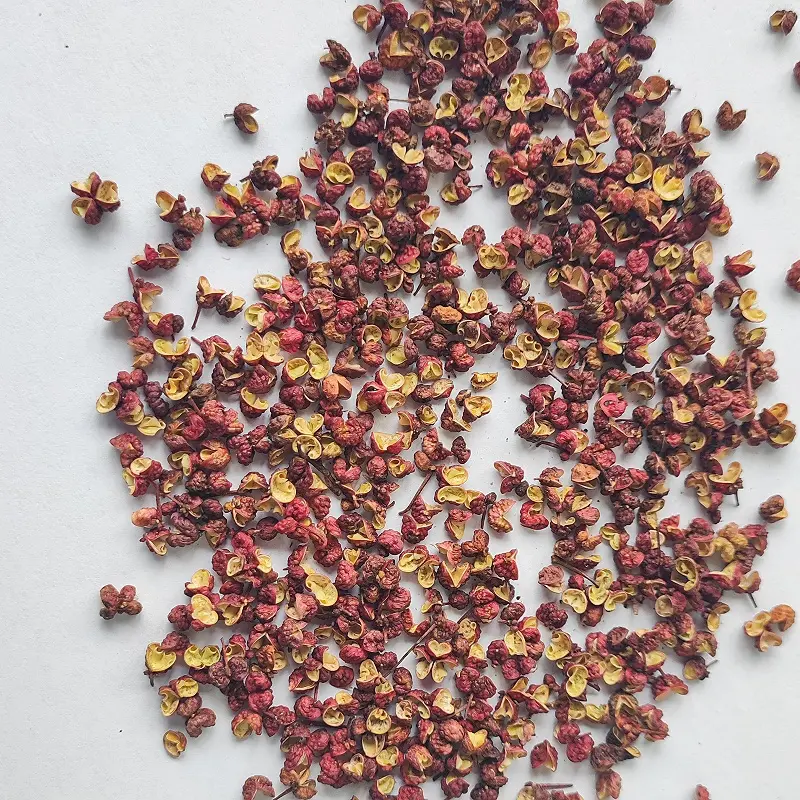
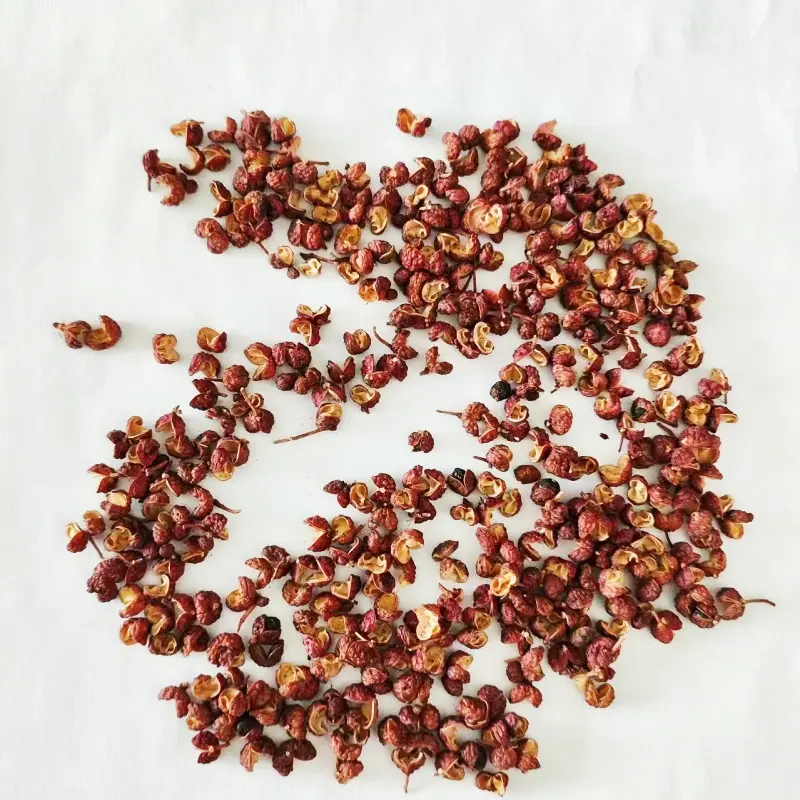
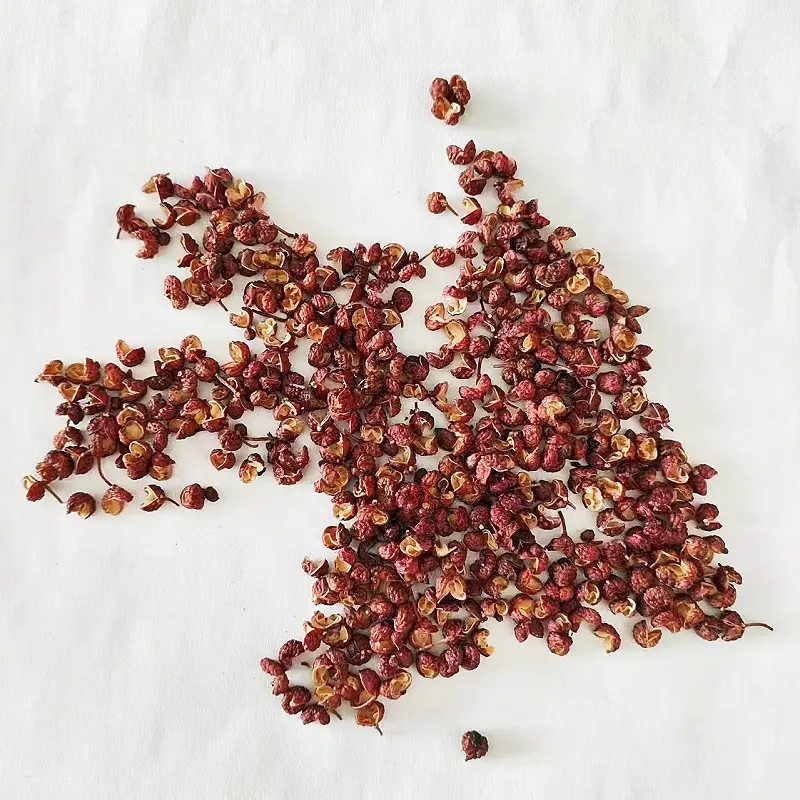
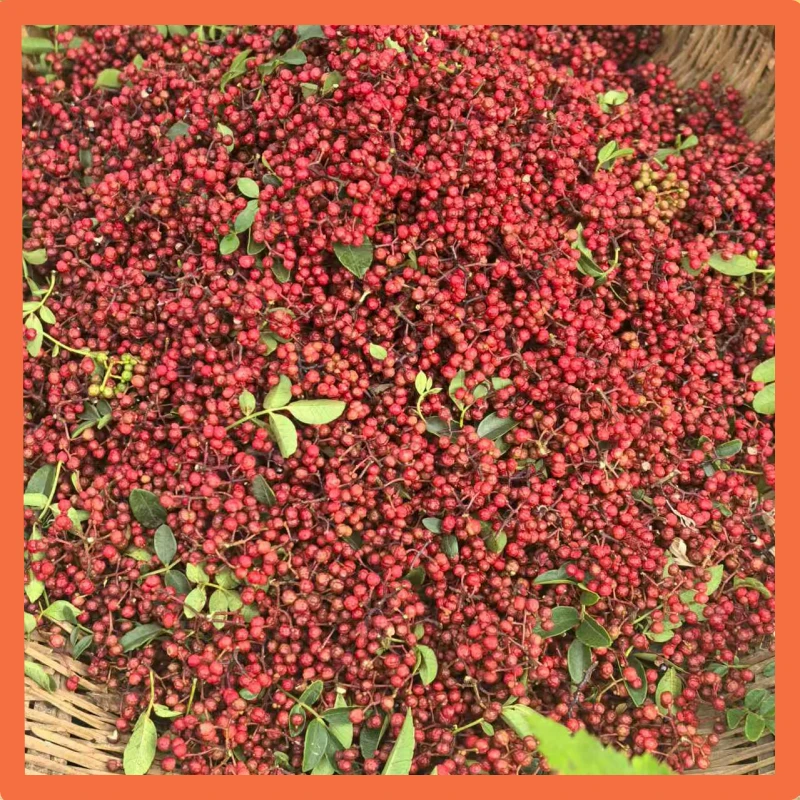
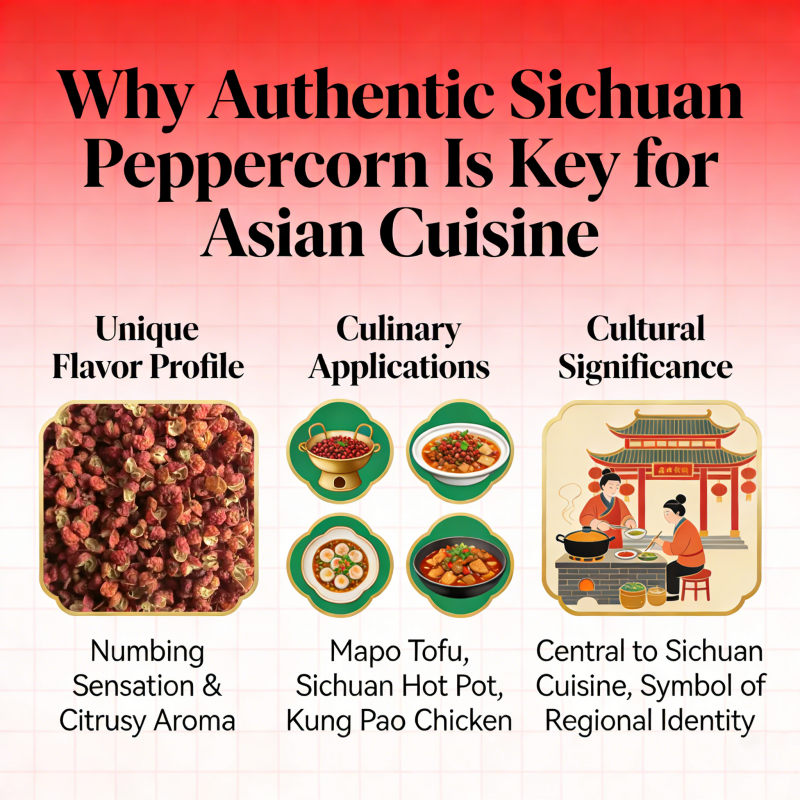
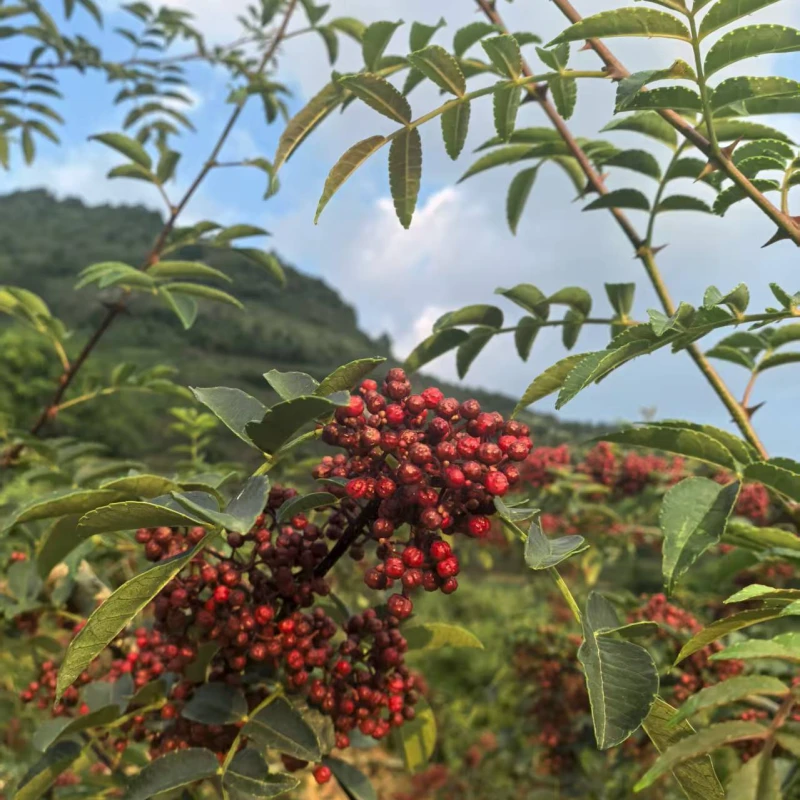
Despite the name, Chinese peppercorns are not true pepper (like black or white pepper). They are the dried husks of plants from the Zanthoxylum genus and are famous for their unique numbing (mala) sensation.
They are widely used in:
Sichuan and Chongqing cuisine
Hot pot bases and chili oils
Compound seasonings
Snack foods and instant noodles
Marinades, sauces, and spice blends
Learn about some Chinese peppercorns products:
Organic Sichuan Peppercorns Wholesale
Wholesale Green Sichuan Pepper China from factory
Da hong pao red sichuan pepper spice comply with EU standards
Global Demand Growth
According to industry estimates, global demand for Sichuan peppercorns has grown steadily due to:
Expansion of Chinese restaurant chains
Growth of ready-to-eat Asian food products
Increasing consumer interest in bold, authentic flavors
Estimated Global Demand Growth (Illustrative)
| Region | Annual Demand Growth Rate |
|---|---|
| North America | 8–10% |
| Europe | 7–9% |
| Middle East | 6–8% |
| East Asia | 5–7% |
| Global Average | 7–8% |
This rising demand makes sourcing from stable, professional wholesale suppliers more important than ever.
Main Production Regions of Chinese Peppercorns
China is the world’s primary producer of Sichuan peppercorns, with cultivation concentrated in specific regions due to climate and soil conditions.
Key Producing Provinces
| Province | Characteristics |
|---|---|
| Sichuan | Traditional origin, balanced aroma and numbness |
| Chongqing | Strong citrus notes, intense flavor |
| Shaanxi | Thick husk, high oil content |
| Gansu | Clean taste, suitable for export processing |
| Shandong | Advanced processing and export infrastructure |
While cultivation occurs inland, processing, sorting, and export are often handled by specialized factories in provinces like Shandong, where logistics, port access, and food safety systems are more developed.
Types of Chinese Peppercorns Available for Wholesale
Understanding product types is essential when wholesaling Chinese peppercorns.
Major Varieties
| Type | Flavor Profile | Common Uses |
|---|---|---|
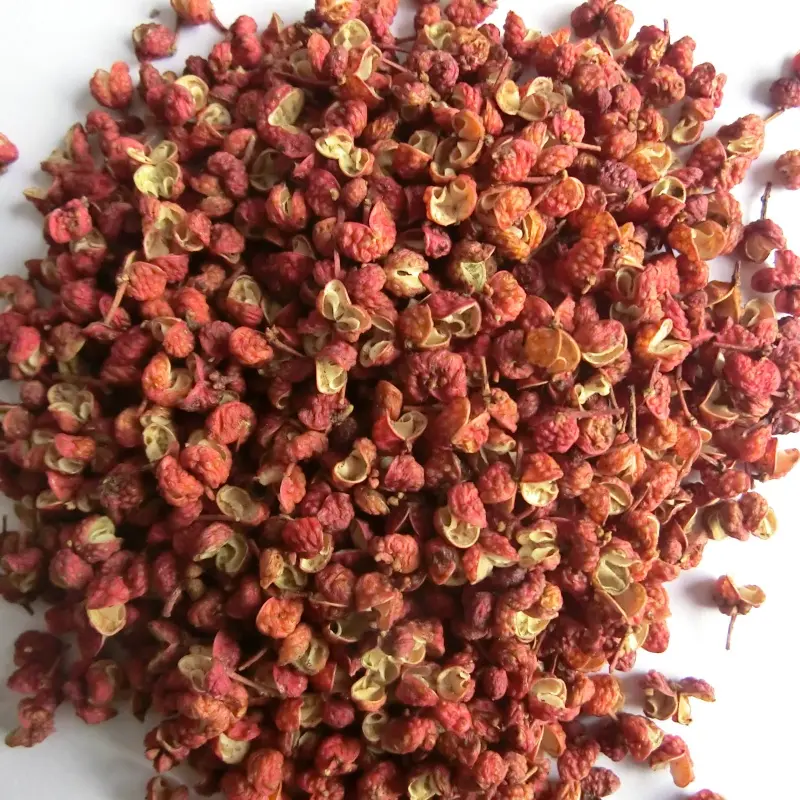
| Red Sichuan Peppercorns | Warm, citrusy, moderate numbness | Hot pot, sauces, spice blends |
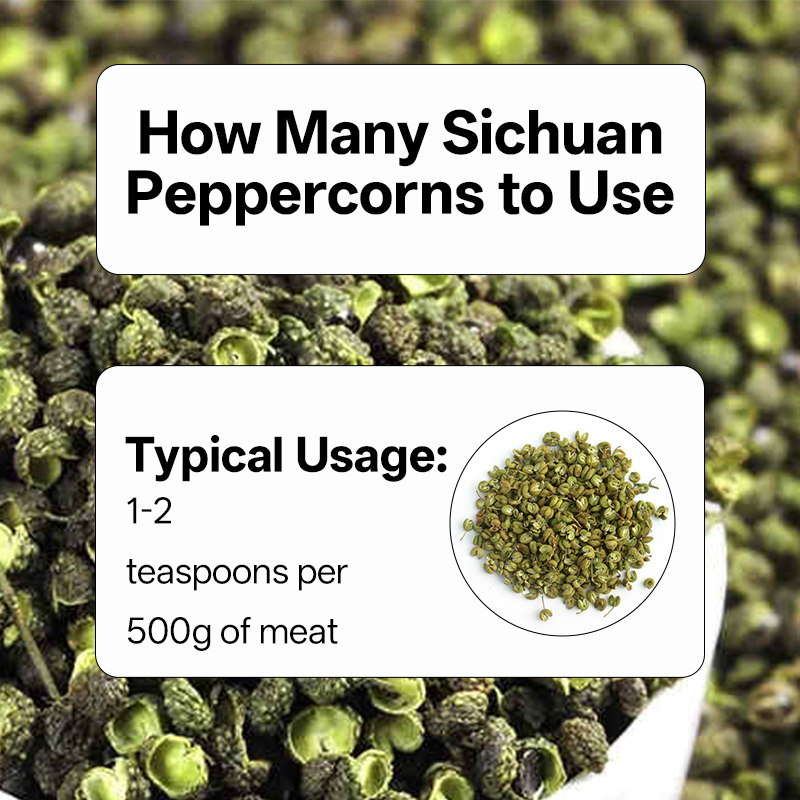
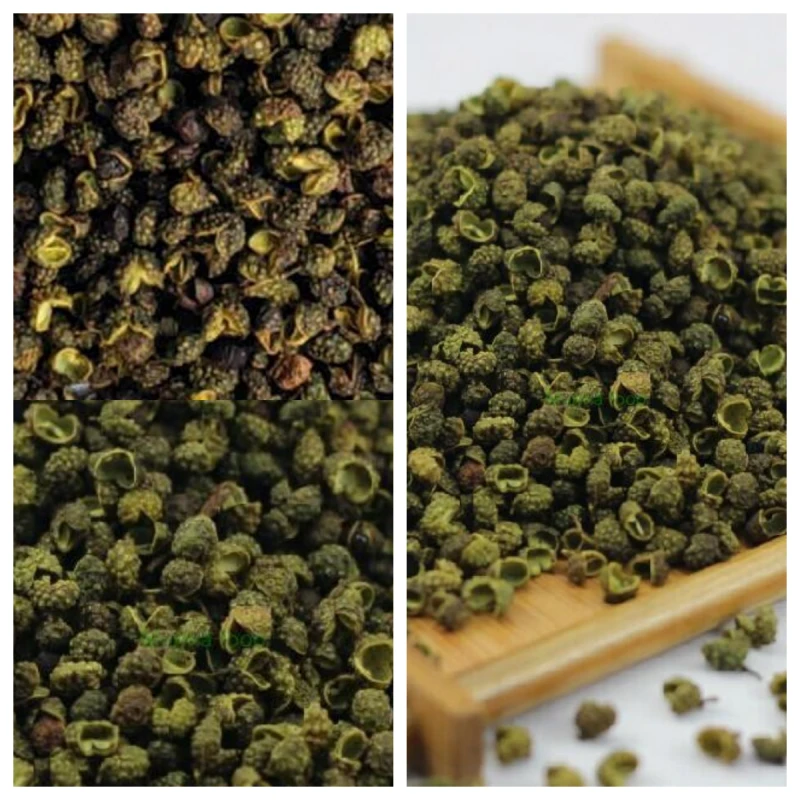
| Green Sichuan Peppercorns | Fresh, herbal, strong numbness | Premium dishes, oils |
| Sichuan Pepper Powder | Concentrated aroma | Industrial food processing |
| De-seeded Peppercorns | Cleaner mouthfeel | High-end culinary applications |
Professional wholesalers typically offer customized grades, including:
Whole or cracked
Powdered (mesh size adjustable)
Low seed content
Export-grade cleaned products
Where Can You Wholesale Chinese Peppercorns?
There are four main sourcing channels, each with pros and cons.
1. Local Traders and Brokers
Pros
Easy communication
Small MOQ
Cons
Higher prices
Limited traceability
Inconsistent quality
2. Wholesale Markets in China
Examples include regional spice markets in Sichuan or Henan.
Pros
Wide product variety
Negotiable pricing
Cons
Not export-ready
No food safety guarantees
No long-term supply stability
3. Online B2B Platforms
Pros
Easy supplier discovery
Price comparison
Cons
Quality varies widely
Risk of misrepresentation
Often trading companies, not factories
4. Direct Manufacturer & Exporter (Recommended)
Pros
Best price-to-quality ratio
Full traceability
Custom processing
International certifications
Long-term supply security
Cons
Requires professional communication and planning
For serious buyers, working directly with a certified Chinese manufacturer is the most reliable solution.
Wholesale Pricing and Volume Considerations
Pricing depends on several variables, including harvest season, grade, processing level, and order volume.
Indicative Wholesale Price Ranges (FOB China)
| Product Type | Price Range (USD/kg) |
|---|---|
| Red Sichuan Peppercorns | $6.50 – $10.00 |
| Green Sichuan Peppercorns | $12.00 – $20.00 |
| Sichuan Pepper Powder | $7.00 – $11.50 |
| Premium De-seeded Grade | $15.00 – $25.00 |
Note: Prices fluctuate seasonally and by quality grade.
Typical MOQ by Buyer Type
| Buyer Type | Typical MOQ |
|---|---|
| Small Importers | 500–1,000kg |
| Distributors | 1–5 tons |
| Food Manufacturers | 5–20 tons |
| Global Brands | Contract-based |
Food Safety, Certifications, and Compliance
For international trade, certifications are not optional—they are mandatory.
Key Certifications Buyers Should Require
| Certification | Purpose |
|---|---|
| HACCP | Food safety risk control |
| ISO 22000 / ISO 9001 | Quality management |
| FDA Registration | U.S. market compliance |
| HALAL | Muslim market access |
| Phytosanitary Certificate | Customs clearance |
Pesticide Control and Testing
Reputable manufacturers implement:
Strict pesticide control at planting level
Pre-shipment lab testing
Metal detection and magnetic separation
Color sorting and impurity removal
These processes are essential for meeting EU and U.S. residue standards.
What to Look for in a Chinese Peppercorn Wholesale Supplier
Before choosing a supplier, evaluate the following factors:
Supplier Evaluation Checklist
Own processing factory (not just trading)
Export experience to your target market
Full certification set (HACCP, FDA, ISO, HALAL)
Custom processing capability
Stable raw material sourcing
Transparent quality control system
A supplier that meets all these criteria can support long-term brand growth, not just short-term transactions.
Why Direct Cooperation with a Professional Manufacturer Matters
Working directly with a professional exporter allows buyers to:
Reduce intermediaries and costs
Customize specifications
Ensure consistent flavor profiles
Maintain compliance across markets
Build stable annual supply contracts
This is especially critical for:
Food factories
Seasoning brands
Restaurant supply chains
Private-label spice companies
Recommended Wholesale Supplier: Weifang Manna Foods Co., Ltd.
Based on industry standards, export capability, and processing strength, Weifang Manna Foods Co., Ltd. stands out as a reliable wholesale partner for Chinese peppercorns.
Company Overview
Weifang Manna Foods Co., Ltd. is a professional manufacturer and exporter specializing in:
Sichuan peppercorn
Green Sichuan peppercorn
Red Sichuan peppercorns
Szechuan pepper
Compound seasonings and dehydrated vegetables
Founded in 2006, the company operates as a general taxpayer enterprise with:
Independent import & export rights
Customs registration
Food production license
FDA registration
HACCP, ISO, and HALAL certified workshops
Advanced Processing Capability
Manna Food owns a modern spice processing factory equipped with:
Stainless steel grinding and powder systems
Pepper cleaning and dry-cleaning machines
Metal detectors and strong demagnetizers
Color sorters
Stainless steel drying equipment
Automatic filling and vacuum packaging lines
All workshops are designed according to customs and market supervision standards, ensuring export-grade quality.
Global Export Experience
Manna Food’s products are widely exported to:
United States
Japan
Canada
Europe
Middle East
Taiwan and other regions
Strict pesticide control is implemented at the planting level, ensuring compliance with international residue limits.
Conclusion
So, where can you wholesale Chinese peppercorns safely and competitively?
While traders and online platforms may work for small or short-term needs, the most reliable solution is direct cooperation with a certified Chinese manufacturer that controls quality from farm to shipment.
With nearly two decades of experience, advanced processing equipment, comprehensive certifications, and a strong global export record, Weifang Manna Foods Co., Ltd. is well-positioned to be a long-term wholesale partner for Chinese peppercorns and related spice products.
For importers, brands, and food manufacturers seeking consistent quality, compliance, and scalable supply, partnering with a professional supplier like Manna Food is not just a sourcing decision—it is a strategic investment.
Contact Manna Foods to place your order for Chinese Sichuan peppercorns.
811.webp)