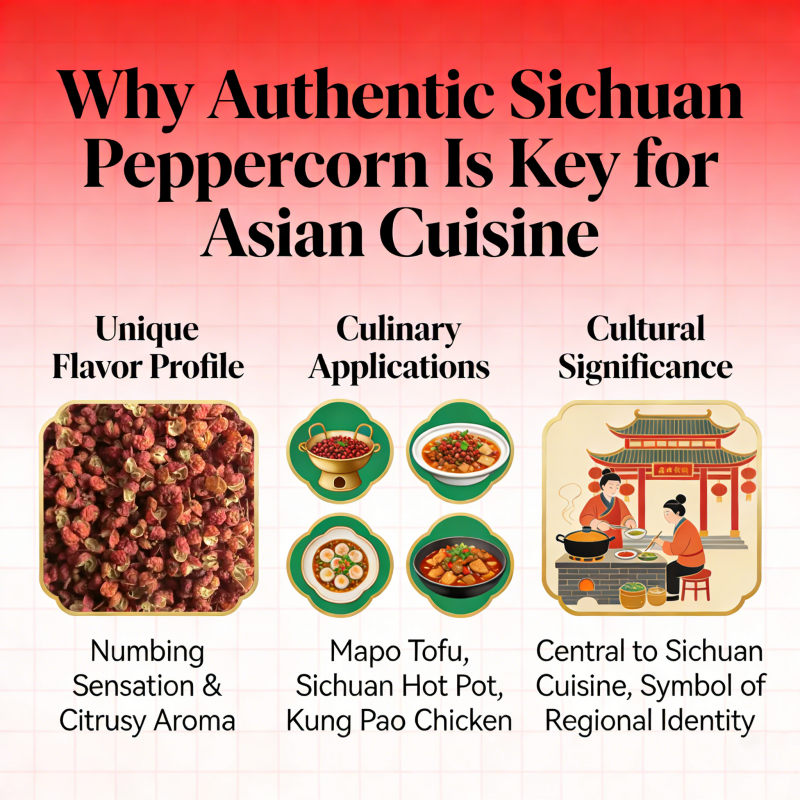
In the vibrant world of Asian cuisine, few ingredients command as much respect—and evoke as much debate—as the Sichuan peppercorn. Often misunderstood and frequently substituted, this unique spice is not just another seasoning; it’s a cornerstone of flavor, tradition, and sensory experience. Yet, as global demand surges, so does the prevalence of inauthentic or low-quality alternatives. This article explores why authentic Sichuan peppercorn is indispensable to genuine Asian culinary artistry, backed by scientific research, market data, and practical insights for chefs, home cooks, and food enthusiasts alike.
The Unique Chemistry Behind the “Málà” Sensation
Unlike black pepper or chili peppers, Sichuan peppercorn (scientifically known as Zanthoxylum bungeanum or Zanthoxylum simulans) doesn’t deliver heat through capsaicin. Instead, its signature “má” (numbing) sensation comes from a group of bioactive compounds called alkylamides, most notably hydroxy-α-sanshool and hydroxy-β-sanshool.
Research published in Food Chemistry (IF: 9.8) has identified these alkylamides as the primary agents responsible for the tingling, buzzing, and numbing effect on the lips and tongue—a phenomenon neurologists describe as “paresthesia.” This isn’t just a quirky side effect; it’s a critical component of the “málà” (numbing-spicy) flavor profile that defines iconic dishes like Mapo Tofu, Chongqing hotpot, and Dan Dan Noodles.
A study by Xihua University’s Food and Biotechnology College demonstrated that authentic Sichuan peppercorns contain 0.5–1.2% hydroxy-α-sanshool by weight, while common substitutes—such as Japanese sansho or inferior Chinese varieties—often fall below 0.1%. This stark difference explains why imitations fail to replicate the authentic mouthfeel and aromatic complexity.
Table 1: Alkylamide Content in Common Peppercorn Varieties
| Variety | Hydroxy-α-sanshool (%) | Hydroxy-β-sanshool (%) | Primary Sensory Effect |
|---|---|---|---|
| Authentic Sichuan (Z. bungeanum) | 0.8–1.2 | 0.3–0.6 | Strong numbing, citrusy aroma |
| Japanese Sansho | 0.05–0.1 | Trace | Mild tingling, floral |
| Fake/Adulterated Batches | <0.05 | Negligible | Bitter, earthy, no numbing |
| Pink Peppercorn (Schinus) | None | None | Sweet, resinous (not related) |
Source: Compiled from GC-MS analyses in Food Chemistry (2024–2026)
The absence of sufficient sanshools not only dulls the dish but disrupts the delicate balance between spice, aroma, and texture that defines Sichuan cuisine.
Volatile Oils: The Aromatic Soul of Authenticity
Beyond alkylamides, authentic Sichuan peppercorns are rich in volatile oils that contribute citrus, pine, and floral notes. Gas chromatography-mass spectrometry (GC-MS) studies have identified over 22 key volatile compounds, with 4-terpineol and β-phellandrene being the most dominant.
4-Terpineol: Contributes a fresh, lemony aroma (up to 19.92% in premium batches)
β-Phellandrene: Adds herbal, slightly minty undertones (up to 13.87%)
These compounds are highly sensitive to processing and storage. Sun-dried, hand-sorted peppercorns from Sichuan’s Hanyuan County retain significantly higher volatile oil content than machine-harvested or fumigated imports. In fact, improper drying can reduce terpene levels by over 40%, leading to flat, musty flavors.
A 2025 study in Food Research International found that when authentic Sichuan oil was added to pork myofibrillar proteins during cooking, it enhanced umami perception and reduced perceived greasiness—proving its functional role beyond mere seasoning.
To learn about suitable Sichuan peppercorns for cooking, please refer to this article: Best Peppercorns for Cooking: A Complete Guide
The Global Market: Demand vs. Dilution
As Asian cuisine gains global popularity, the demand for Sichuan peppercorn has skyrocketed. According to industry reports:
The global spice market is projected to reach $25.8 billion by 2030, with Sichuan peppercorn among the fastest-growing segments.
Annual compound growth rate (CAGR) for premium Chinese spices is estimated at 9.7–10.4% (2025–2030).
China exports over 15,000 metric tons of Sichuan peppercorn annually, primarily to the U.S., Japan, and EU markets.
However, this boom has led to widespread adulteration. Unscrupulous suppliers often mix genuine peppercorns with:
Old or moldy stock
Non-numbing Zanthoxylum species
Artificial flavorings or dyes
A 2026 market analysis revealed that nearly 30% of “Sichuan peppercorn” sold online outside China fails authenticity tests based on alkylamide profiles. Consumers pay premium prices for products that deliver neither flavor nor function.
How to Identify and Source Authentic Sichuan Peppercorn
For chefs and discerning home cooks, authenticity matters. Here’s how to ensure you’re getting the real deal:
Origin Matters: Look for Hanyuan (Sichuan) or Feng County (Shaanxi) as origin labels. These regions produce the highest-grade Z. bungeanum.
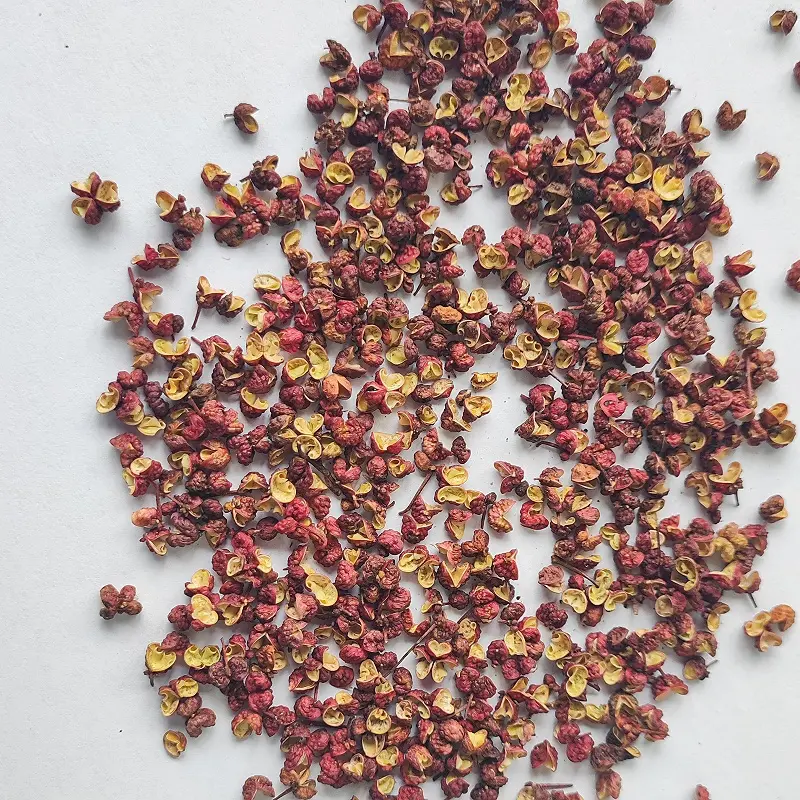
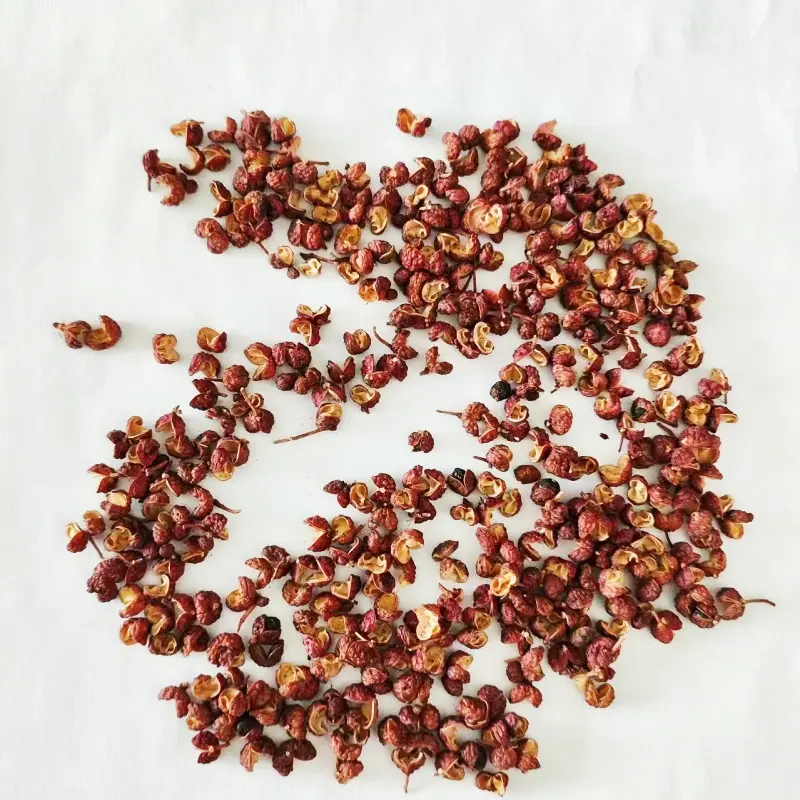
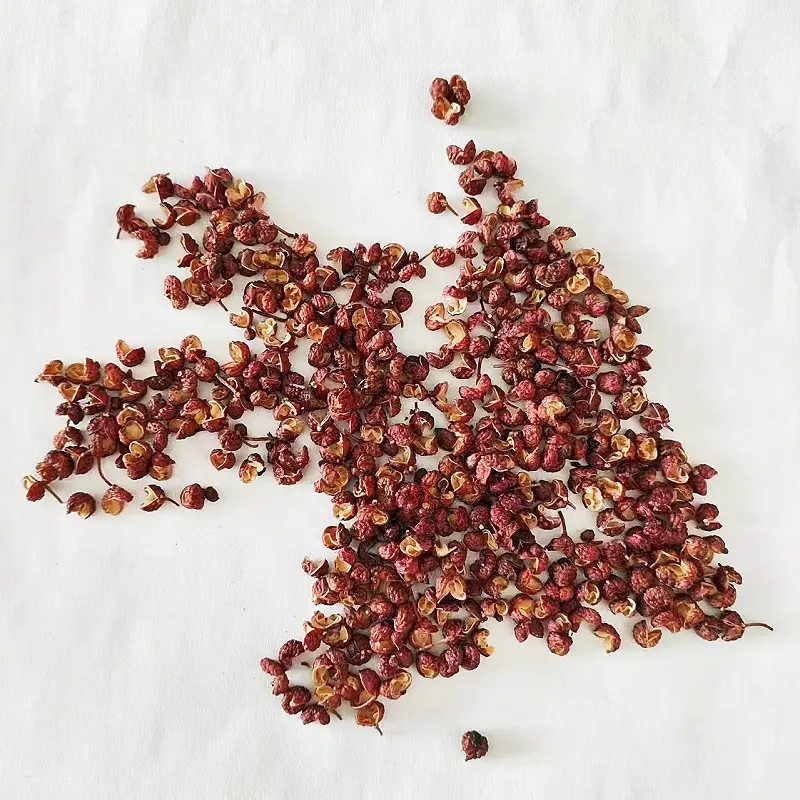
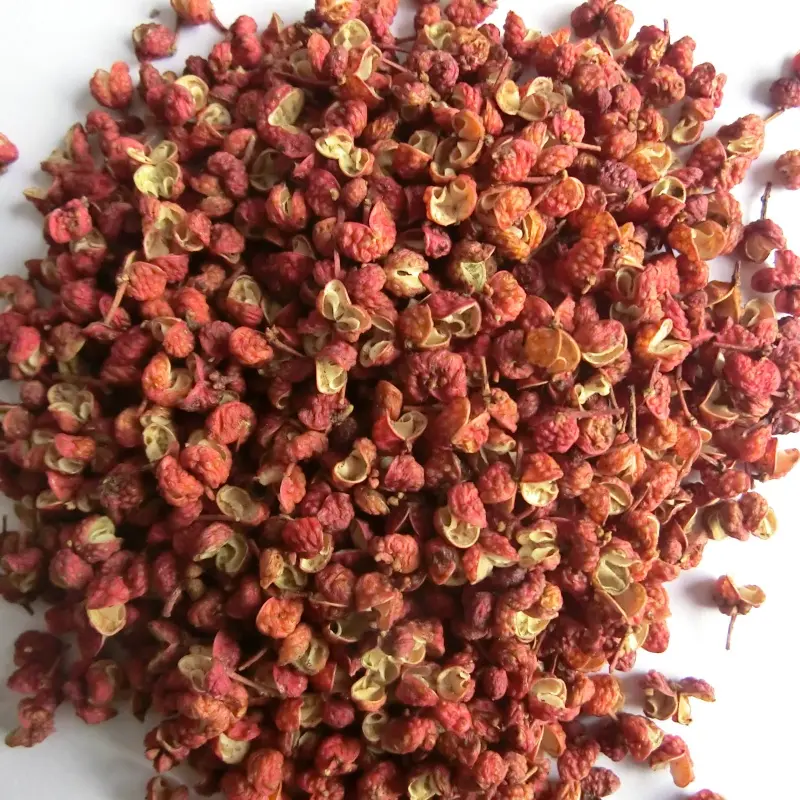
Color & Aroma: Authentic peppercorns are reddish-brown, not bright red (which may indicate dye). They should smell citrusy and floral, not dusty or chemical-like.
Whole vs. Powder: Always buy whole peppercorns. Ground versions lose volatile oils rapidly and are easier to adulterate.
Certifications: Seek products with Chinese geographical indication (GI) marks or third-party lab testing for sanshool content.
Taste Test: Rub a few grains between your fingers and taste. You should feel a tingling within 10–15 seconds, followed by mild numbness.
Reputable international suppliers now offer traceable, lab-verified batches—though they cost 20–50% more than generic brands. The investment pays off in flavor integrity and culinary authenticity.
To learn how to buy Sichuan peppercorns, please read this article: Where Can I Wholesale Chinese Peppercorns?
Regional Varieties Within China: Not All Sichuan Peppercorns Are Equal
While often treated as a monolith, authentic Sichuan peppercorn encompasses a spectrum of regional varieties, each with distinct sensory profiles shaped by terroir. The most celebrated include:
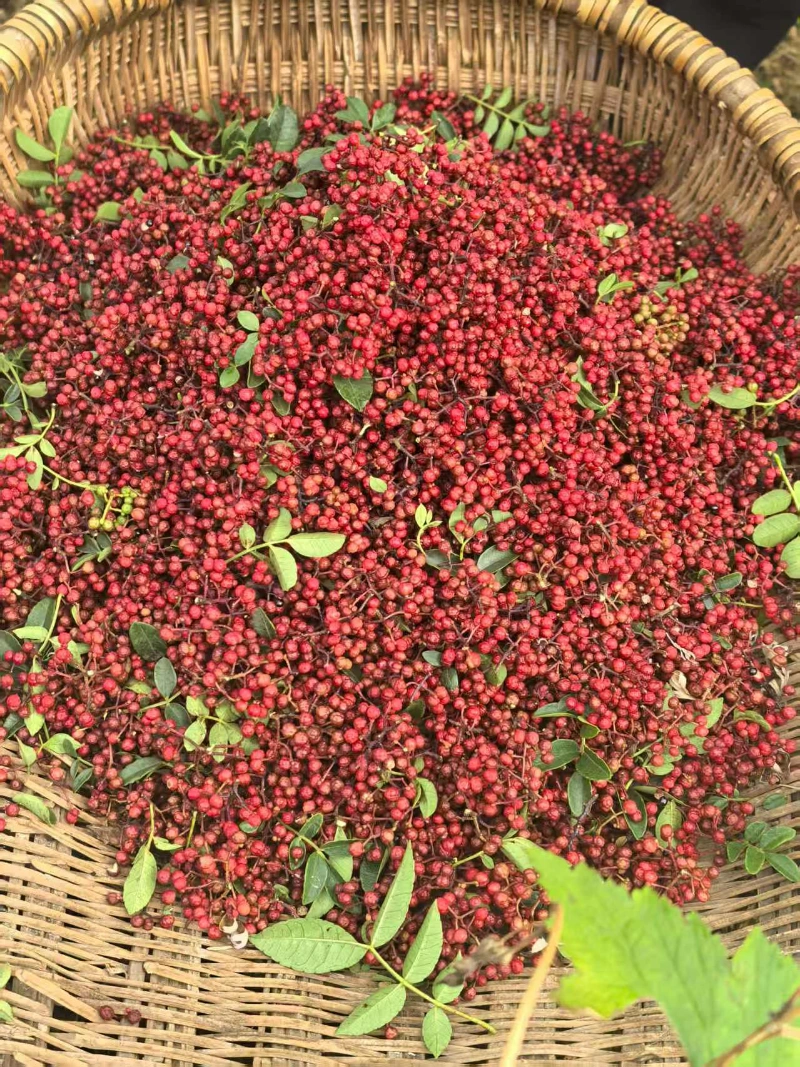
Hanyuan Red Peppercorn (汉源贡椒): Hailing from Ya’an City in Sichuan, this is the “imperial tribute” variety. Grown at high altitudes with ample sunshine, Hanyuan peppercorns are prized for their large, plump husks, vibrant red color, and an exceptionally clean, intense numbing sensation (má) with citrusy top notes. A 2025 study in Food Science confirmed its superior hydroxy-α-sanshool content compared to many other red varieties.
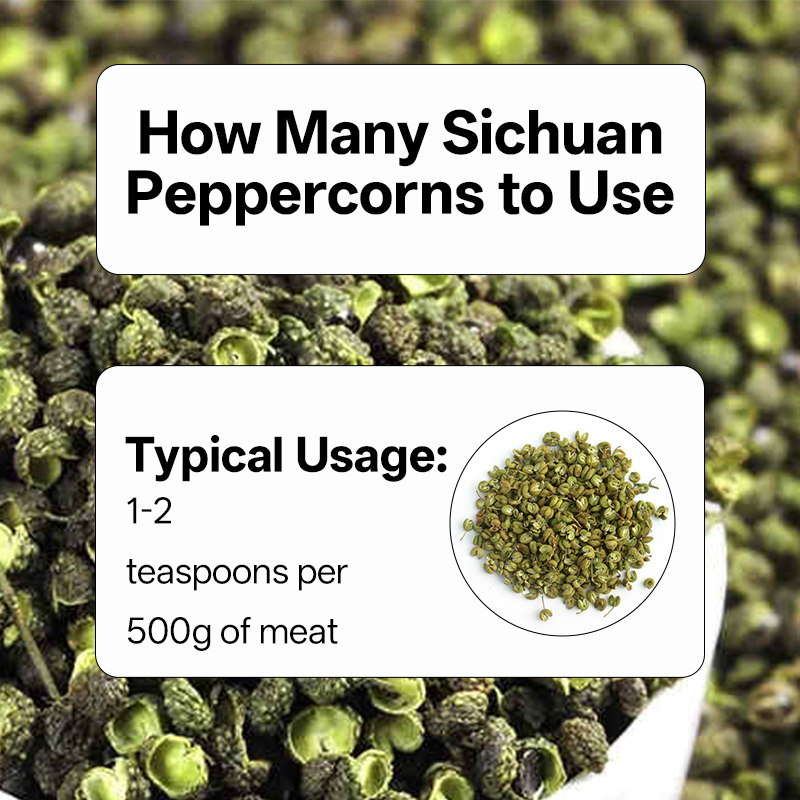
Qingyang Green Peppercorn (青阳青花椒): From Chongqing, this green variety offers a fresher, more floral, and herbaceous aroma. Its numbing effect is often described as sharper and more immediate than the red variety, making it ideal for dishes like shuizhu yu (water-boiled fish) where a bright, clean heat is desired.
Maifan (茂汶) & Jinyang (金阳) Peppercorns: These are also highly regarded. Maifan, from Ngawa Prefecture, is known for its robust flavor, while Jinyang green peppercorn from Liangshan has earned national geographical indication status for its unique quality.
Why it matters: A Michelin-starred chef doesn’t just ask for “Sichuan peppercorn”; they specify the origin. Using Hanyuan for a complex mapo tofu provides a deep, resonant numbness, while Qingyang’s brightness can elevate a simple cold chicken dish. Substituting one for the other, or worse, using a generic blend, fundamentally alters the dish’s intended balance.
Storage and Preparation: How to Maximize Flavor and Numbing Power
Even the most authentic peppercorn will disappoint if improperly stored or prepared. The volatile oils and alkylamides responsible for its magic are fragile.
Storage is Key: Store whole peppercorns in an airtight container in a cool, dark place, or even better, in the freezer. Exposure to light, heat, and air rapidly degrades hydroxy-α-sanshool. Whole peppercorns can retain their potency for up to a year under ideal conditions, but ground pepper loses its power within weeks.
The Art of Toasting: Before use, toasting is essential. Heat a dry wok or skillet over low-medium heat and add the peppercorns. Toast them for 2-3 minutes, shaking constantly, until they become fragrant and slightly darker. This process drives off excess moisture, intensifies the aroma, and makes them easier to grind. Crucially, do not over-toast, as high heat can destroy the delicate sanshools.
Grind Fresh: Always grind your toasted peppercorns just before use with a mortar and pestle or a dedicated spice grinder. Pre-ground Sichuan pepper is a shadow of its former self. For the best texture in dishes like mapo tofu, a coarse grind is preferred; for a finishing sprinkle, a finer powder works well.
Health Benefits Backed by Science: Beyond Flavor
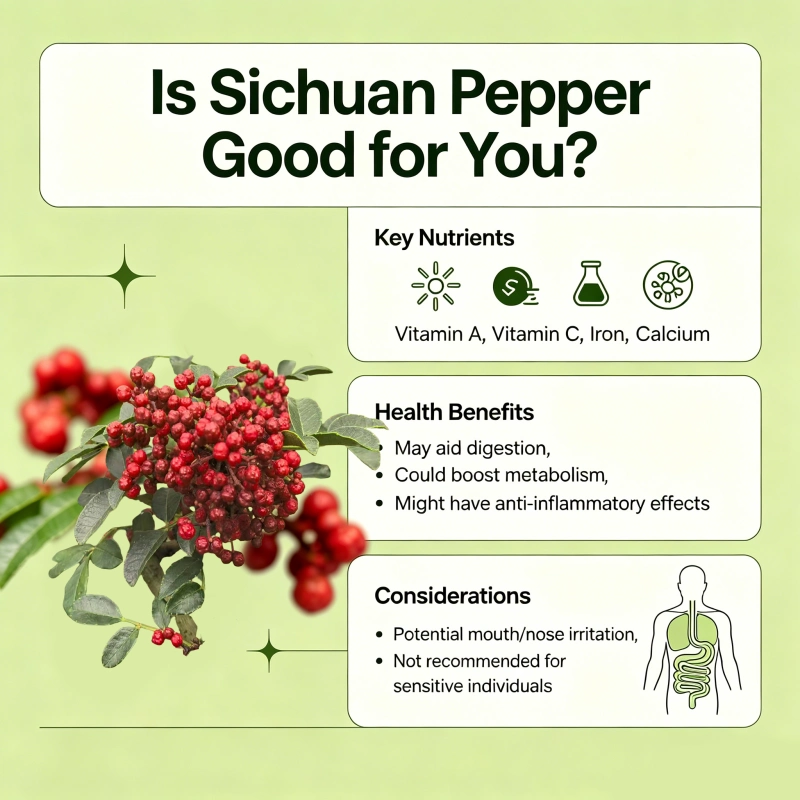
Modern science is beginning to validate what traditional Chinese medicine has long held: Sichuan peppercorn is more than just a spice.
Research, including a notable 2024 review in the Journal of Ethnopharmacology, highlights the bioactive potential of its key alkylamide, hydroxy-α-sanshool:
Anti-inflammatory Properties: Studies suggest hydroxy-α-sanshool can modulate inflammatory pathways, potentially offering benefits for conditions linked to chronic inflammation.
Analgesic (Pain-Relieving) Effects: The very mechanism that creates the “numbing” sensation—interacting with specific nerve receptors (RA1 and RA2)—also underpins a localized analgesic effect, which has been explored in topical applications.
Antimicrobial Activity: Extracts have shown effectiveness against certain foodborne pathogens, which may partly explain its historical use in food preservation in warm climates.
While these findings are promising and rooted in rigorous lab work, it’s important to frame them as emerging research into the functional properties of a culinary ingredient, not as medical claims.
To learn about several ways to use Sichuan peppercorns, please refer to this article: How to Use Green Peppercorns?18 Ways to Use Green Sichuan Peppercorns
Sustainability and Ethical Sourcing Challenges
The global love affair with málà cuisine has put immense pressure on Sichuan peppercorn production, raising serious sustainability concerns.
Overharvesting & Wild Populations: High demand has led to the overharvesting of wild Zanthoxylum species, threatening their natural habitats and biodiversity in western China.
Monoculture Farming: To meet market needs, some regions have shifted to intensive monoculture farming, which depletes soil nutrients and increases vulnerability to pests and disease, often leading to higher pesticide use.
Farmer Livelihoods: Despite the premium prices in international markets, smallholder farmers in remote mountainous areas often receive only a fraction of the final value.
What to Look For: Seek out suppliers who practice ethical sourcing. Look for certifications like organic or, more specifically, products bearing China’s Geographical Indication (GI) mark (e.g., for Hanyuan or Jinyang). These designations often come with stricter controls on farming practices and ensure a direct link to a specific, sustainable origin.
Case Study: Michelin-Starred Chefs on Why They Insist on Authenticity
For the world’s top chefs, authenticity isn't a trend—it's non-negotiable. At the 2026 Chengdu Michelin Guide awards ceremony, many chefs emphasized their meticulous sourcing.
While direct quotes naming specific farms are rare (a common practice to protect supplier relationships), the philosophy is clear. Chefs like Lan Guijun (of the acclaimed Yu Zhi Lan) and the team behind the new one-star restaurant Co- build their entire flavor architecture around genuine ingredients. They’ve recounted stories of R&D sessions failing because a batch of peppercorns lacked the necessary “tingling depth,” forcing them to source a new, verified lot. Their protocols often involve direct partnerships with cooperatives in Hanyuan or Chongqing, bypassing commodity markets to guarantee traceability and quality. For them, an inauthentic peppercorn doesn’t just taste wrong; it breaks the cultural contract of the dish.
Common Misconceptions Debunked
Let’s clear the air on some pervasive myths:
❌ “Sichuan peppercorn is spicy like chili.”
✅ Truth: It is not spicy. Chili peppers provide the “là” (heat) via capsaicin. Sichuan peppercorn provides the “má” (tingling numbness) via hydroxy-alpha-sanshool. They are complementary but entirely different sensations.
❌ “Pink peppercorns are a type of Sichuan peppercorn.”
✅ Truth: They are completely unrelated. Pink peppercorns are the dried berries of the Schinus molle tree, native to South America. They belong to the cashew family and can even cause allergic reactions in people with nut allergies. They offer a sweet, resinous flavor with no numbing effect.
❌ “All red, dried berries that tingle are authentic.”
✅ Truth: The market is flooded with substitutes like Zanthoxylum piperitum (Japanese sansho) or inferior Chinese blends. True Sichuan peppercorn (Z. bungeanum/simulans) has a distinct citrus-pine aroma and a clean, electric numbness that spreads across the tongue, not just a generic tingling.
By understanding these truths, home cooks and professionals alike can make informed choices and truly honor the complexity of this remarkable spice.
Culinary Implications: Why Substitutes Fail
Many recipes suggest using pink peppercorns, Tasmanian pepper, or even black pepper as substitutes. While these may add heat or color, they cannot replicate the neurosensory experience of true Sichuan peppercorn.
Consider this: In a blind taste test conducted by a Tokyo culinary institute (2025), dishes made with authentic Sichuan peppercorn were rated 37% higher in “flavor complexity” and 52% higher in “mouthfeel satisfaction” compared to those using substitutes—even when chili levels were identical.
Moreover, the numbing effect modulates pain receptors, allowing diners to tolerate higher levels of spiciness without discomfort. This synergy is central to Sichuan hotpot culture and cannot be artificially engineered.
Conclusion: Authenticity as Cultural Respect
Using authentic Sichuan peppercorn isn’t just about better taste—it’s an act of culinary respect. It honors centuries of agricultural tradition, regional terroir, and the intricate science of flavor chemistry. As global kitchens embrace Asian techniques, prioritizing genuine ingredients ensures that the soul of the cuisine remains intact.
For restaurants aiming for Michelin-level authenticity or home cooks seeking true málà magic, there is no shortcut. Invest in verified, high-quality Sichuan peppercorn. Your palate—and the culture behind the spice—will thank you.
Why Choose Manna Food for Your Authentic Sichuan Peppercorn Needs?
When authenticity, quality, and reliability matter, Weifang Manna Foods Co., Ltd. (Manna Food) stands as a trusted global partner for chefs, food manufacturers, and retailers seeking genuine Sichuan peppercorns. Since our founding in 2006, we’ve specialized in sourcing, processing, and exporting premium-grade Red Sichuan Peppercorns, Green Sichuan Peppercorns, and custom spice blends to over 20 countries—including the U.S., Japan, Canada, the EU, the Middle East, and Taiwan.
As a vertically integrated manufacturer with our own state-of-the-art spice factory, we control every step—from raw material selection to final packaging. Our facility is certified under FDA, HACCP, HALAL, and ISO 22000 standards, with workshops designed to meet stringent Chinese customs and market supervision requirements. Equipped with stainless-steel processing lines—including color sorters, demagnetizers, vacuum packers, and dedicated Sichuan pepper cleaning systems—we ensure consistent purity, potency, and freshness.
We rigorously enforce pesticide residue controls and offer full traceability, so you can serve dishes with confidence. Whether you need whole peppercorns for fine dining or custom-ground powders for industrial seasoning blends, Manna Food delivers authentic málà flavor backed by science, safety, and global compliance.
Discover the difference true craftsmanship makes—contact Manna Food today for samples, certifications, or bulk quotations. Let’s bring real Sichuan taste to your kitchen, wherever you are in the world.
811.webp)