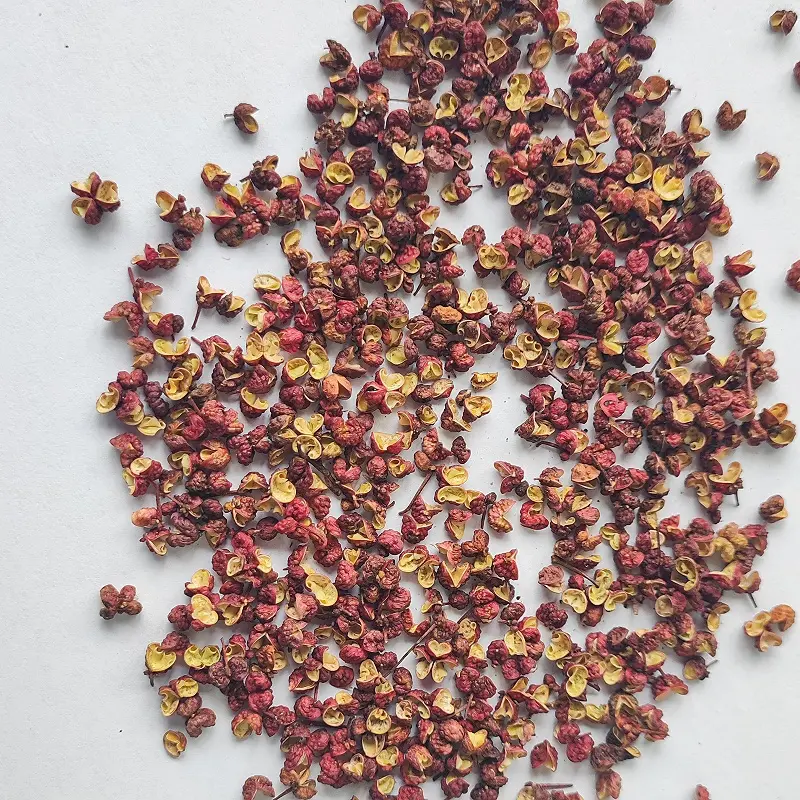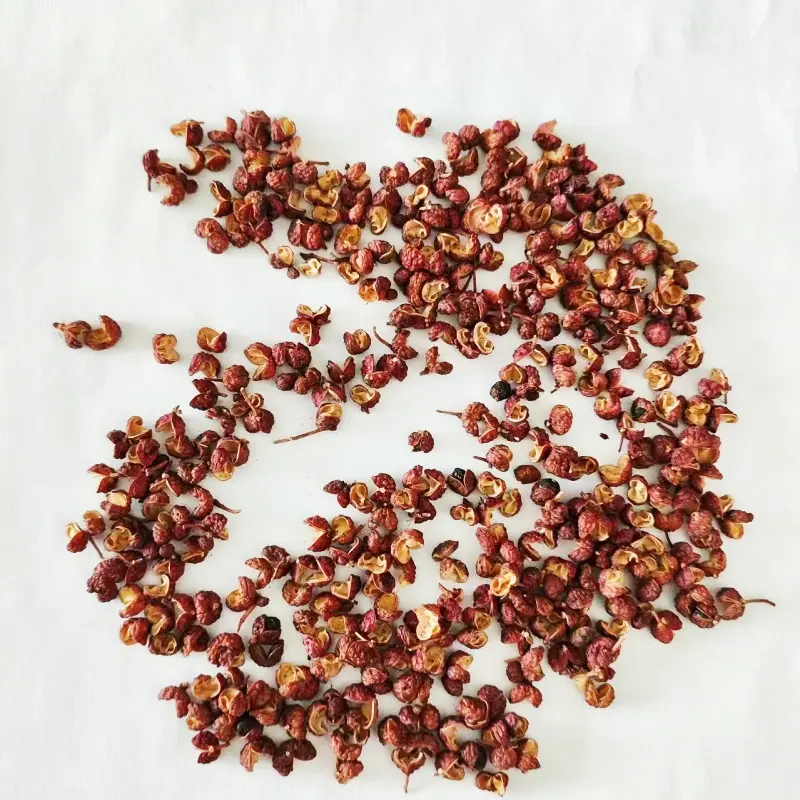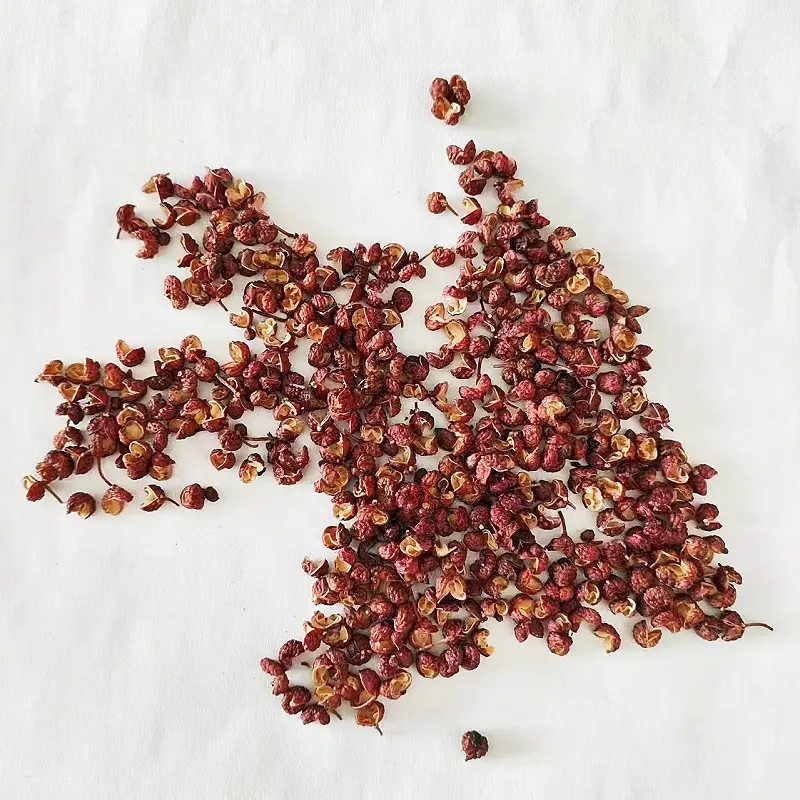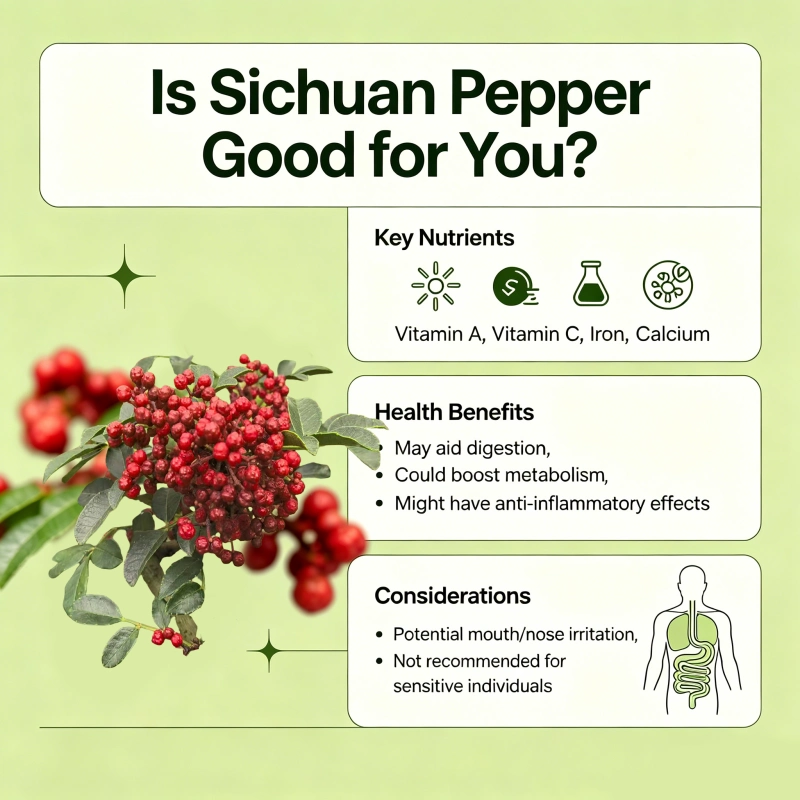
Sichuan pepper, a cornerstone of Chinese cuisine and especially famous in the fiery dishes of Sichuan province, is not just a culinary curiosity. Its unique ability to create a tingling, numbing sensation—known as "málà" (numb-spicy) when paired with chili—is legendary. But beyond its distinctive flavor, you might wonder: is this unusual spice actually good for your health? The answer, backed by both traditional wisdom and modern science, is a resounding yes, with some important caveats.
What Exactly Is Sichuan Pepper?
Before diving into its health effects, it’s crucial to understand what Sichuan pepper is—and what it isn’t. Despite its name, it is not related to black pepper (Piper nigrum) or chili peppers (Capsicum species).
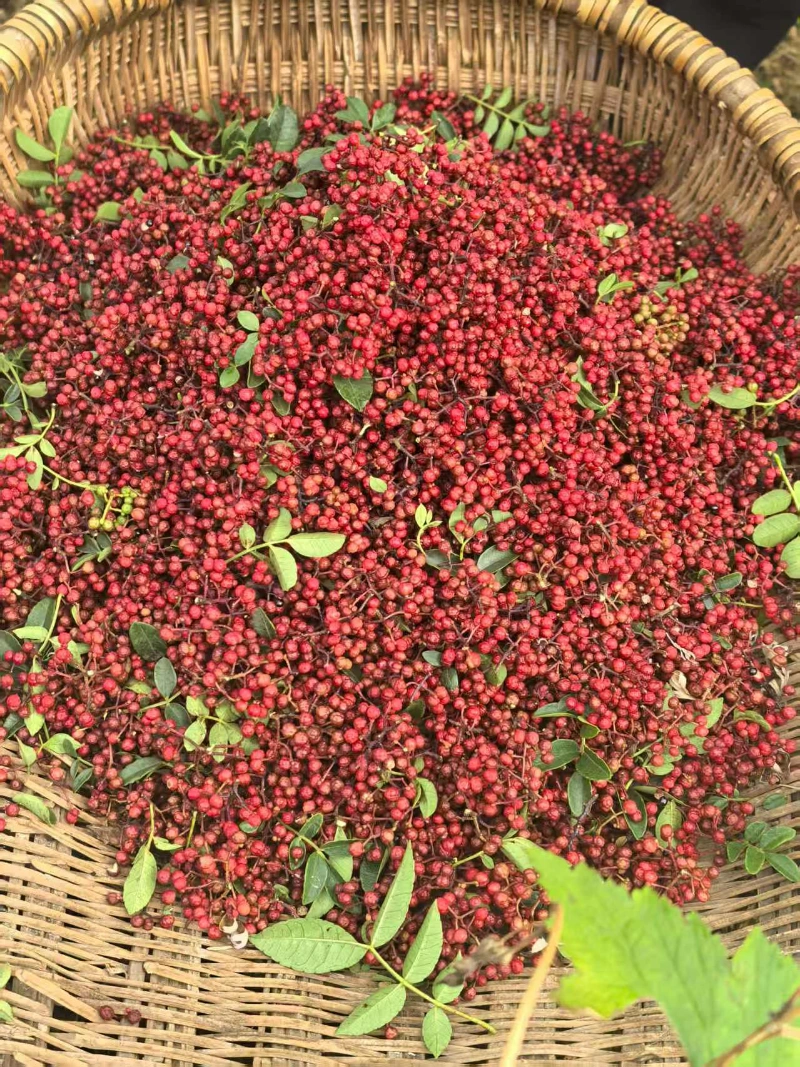
Botanical Identity: Sichuan pepper comes from the dried husks of the fruit of various species in the Zanthoxylum genus, part of the citrus family (Rutaceae). The two most common types are Zanthoxylum bungeanum (red Sichuan pepper) and Zanthoxylum schinifolium (green Sichuan pepper).
The Source of the "Ma" (Numbness): The signature tingle is caused by a group of bioactive compounds called hydroxy-alpha-sanshool and its derivatives. These molecules interact with specific nerve receptors in your mouth and skin, primarily the Meissner's corpuscles and Merkel cells, which are responsible for light touch and vibration. This interaction creates a high-frequency vibration-like feeling that your brain interprets as numbness or a buzzing sensation.
Not a True "Pepper": Unlike black pepper, which contains piperine for heat, or chili peppers, which contain capsaicin for burning pain, Sichuan pepper’s effect is a neurological trick, not a chemical burn. It’s a completely different sensory experience.
This unique mechanism is key to understanding its potential health benefits, many of which stem from this very interaction with our nervous system.
View related products: Da hong pao red sichuan pepper spice comply with EU standards
The Science-Backed Health Benefits
Modern research is increasingly validating the traditional uses of Sichuan pepper, uncovering a range of potential health-promoting properties.
1. Powerful Antioxidant and Anti-inflammatory Effects
Chronic inflammation and oxidative stress are at the root of many modern diseases, including heart disease, diabetes, and certain cancers. Sichuan pepper is a rich source of natural compounds that combat these processes.
Rich in Polyphenols and Alkaloids: The husk contains numerous polyphenols, flavonoids, and alkaloids that act as potent antioxidants. These molecules neutralize harmful free radicals in the body, preventing them from damaging cells and DNA.
Inhibits Inflammatory Pathways: Studies have shown that extracts from Sichuan pepper can suppress the production of pro-inflammatory signaling molecules like cytokines. By dampening the body's inflammatory response, it may help protect against a variety of chronic conditions. This anti-inflammatory property is one reason why spicy, complex cuisines like Sichuan food have been found in some studies to have a high "dietary inflammatory index," suggesting an overall anti-inflammatory effect from the meal.
2. A Natural Pain Reliever
The same compound that causes the numbing sensation can also be harnessed for pain relief, a use well-documented in Traditional Chinese Medicine (TCM).
Topical Analgesic: The hydroxy-alpha-sanshool in Sichuan pepper can temporarily desensitize nerve endings. This is why it has been traditionally used in TCM to treat toothaches, joint pain, and even minor cuts or scrapes. By over-stimulating the nerves, it essentially blocks their ability to send other pain signals to the brain for a short period.
Mechanism Similar to Capsaicin, but Different: While capsaicin from chili peppers works by depleting a neurotransmitter called substance P (which carries pain signals), sanshool works by directly activating and then desensitizing mechanoreceptors. Both lead to a reduction in perceived pain, but through distinct biological pathways.
3. Digestive Aid and Gut Health
One of the most common traditional uses of Sichuan pepper is to support digestion, and there’s scientific merit to this claim.
Stimulates Digestive Juices: The pungent aroma and taste of Sichuan pepper can stimulate the production of saliva, gastric juices, and bile. This helps to break down food more efficiently, potentially reducing feelings of bloating and indigestion after a heavy meal.
Potential Anti-microbial Properties: Some laboratory studies suggest that compounds in Sichuan pepper may have activity against certain harmful bacteria and fungi. While more research is needed in humans, this could contribute to a healthier gut microbiome by keeping pathogenic microbes in check.
4. Potential Metabolic and Cardiovascular Support
Emerging research points to broader systemic benefits.
May Help Regulate Blood Pressure: Some animal studies have indicated that certain peptides derived from Sichuan pepper seeds might have antihypertensive (blood pressure-lowering) effects. While this is preliminary, it suggests a potential role in cardiovascular health.
Supports Healthy Circulation: In TCM, Sichuan pepper is considered a "warming" herb that can improve blood flow. The tingling sensation itself is a sign of increased local circulation. Improved circulation is vital for delivering oxygen and nutrients to all parts of the body.
Sichuan Pepper in Traditional Chinese Medicine (TCM)
Long before modern labs, TCM practitioners had a sophisticated understanding of Sichuan pepper's properties, classifying it as a "warming" herb with specific actions on the body.
| TCM Property | Description | Modern Interpretation |
|---|---|---|
| Nature | Warm/Hot | Believed to dispel internal cold, which aligns with its use for abdominal pain from "cold" and its circulatory effects. |
| Flavor | Pungent (and Numbing) | Pungent flavors in TCM are known to promote circulation and disperse stagnation, which matches its pain-relieving and digestive actions. |
| Meridian Tropism | Spleen, Stomach, Kidney | Its primary effects are seen on the digestive system (Spleen/Stomach in TCM) and the lower abdomen/lower back (Kidney in TCM). |
| Key Functions | 1. Warms the Middle Jiao (abdomen): Treats cold-type abdominal pain, vomiting, and diarrhea. 2. Kills Parasites & Relieves Itching: Used topically for skin conditions like eczema and scabies. 3. Relieves Pain: For toothaches and joint pain. | These functions correlate well with its modern-identified analgesic, anti-parasitic, and digestive-stimulating properties. |
In TCM, Sichuan pepper is rarely used alone. It is often combined with other herbs to enhance its effects or mitigate its strong nature. For example, it is paired with ginger to treat severe cold-type stomach pain.
Culinary Uses: More Than Just Heat
Understanding how to use Sichuan pepper in cooking is key to unlocking its full potential, both for flavor and health.
The Art of Blooming (You Jian): The most common technique is to briefly toast the whole peppercorns in a dry, hot wok or pan until they become fragrant. This process, called "blooming," releases the essential oils and intensifies the aroma while slightly mellowing the raw, harsh notes.
Grinding for Maximum Impact: After toasting, the peppercorns are ground into a fine powder. This powder is then added to dishes either during cooking or as a final garnish. The ground form provides the most intense and immediate "ma" sensation.
Infusing Oil: Sichuan pepper oil is a staple in many kitchens. Peppercorns are gently simmered in a neutral oil (like rapeseed or peanut oil) to infuse it with their unique flavor and numbing quality. This oil can be drizzled over finished dishes like dumplings, noodles, or cold appetizers.
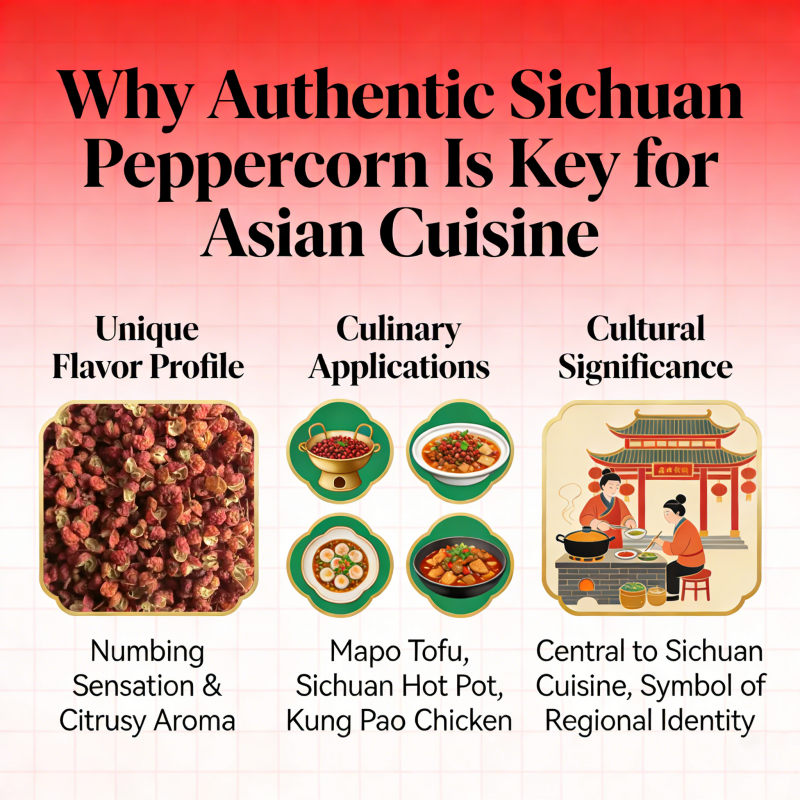
Classic Pairings: Its most iconic partnership is with chili peppers in the "málà" profile of Sichuan cuisine. However, it also pairs beautifully with fatty meats (like in Mapo Tofu or Chongqing Chicken), where its numbing quality cuts through the richness and cleanses the palate.
Using it in these traditional ways ensures you get the full spectrum of its aromatic and bioactive compounds.
Potential Side Effects and Who Should Be Cautious
While Sichuan pepper is safe for most people in culinary amounts, it’s not without potential downsides, especially for certain individuals.
Irritation for Sensitive Individuals: The numbing sensation can be overwhelming or even painful for those unaccustomed to it. It can cause a burning or stinging feeling, particularly on sensitive skin or mucous membranes.
Gastrointestinal Distress: For people with pre-existing digestive issues like acid reflux (GERD), gastritis, ulcers, or irritable bowel syndrome (IBS), the pungent nature of Sichuan pepper can exacerbate symptoms, leading to heartburn, stomach pain, or diarrhea.
Allergic Reactions: Though rare, allergies to Sichuan pepper are possible. Symptoms could include itching, hives, or swelling.
TCM Contraindications: In TCM theory, because of its "hot" nature, Sichuan pepper is contraindicated for individuals with "excess heat" or "yin deficiency with heat signs." This might manifest in Western terms as someone with a fever, severe inflammatory conditions, or chronic dryness and night sweats.
Precautions:
Start Small: If you’re new to Sichuan pepper, begin with a small amount to gauge your tolerance.
Avoid if You Have Active GI Issues: If you are experiencing an ulcer flare-up or a bout of IBS, it’s best to avoid it until your condition stabilizes.
Pregnancy and Breastfeeding: There is limited safety data, so it’s prudent to stick to normal food amounts and avoid using it as a medicinal supplement during these times.
Medication Interactions: There is no strong evidence of major drug interactions, but its potential effects on metabolism warrant caution if you are on critical medications. Consult your doctor if you plan to consume it in very large quantities.
Sichuan Pepper vs. Other Peppers: A Quick Comparison
It’s helpful to see how Sichuan pepper stacks up against its more globally familiar cousins.
| Feature | Sichuan Pepper | Black Pepper | Chili Pepper |
|---|---|---|---|
| Botanical Family | Rutaceae (Citrus) | Piperaceae | Solanaceae (Nightshade) |
| Active Compound | Hydroxy-alpha-sanshool | Piperine | Capsaicin |
| Primary Sensation | Tingling, Numbing ("Ma") | Sharp, Pungent Heat | Burning Pain |
| Key Health Compounds | Sanshools, Polyphenols | Piperine, Essential Oils | Capsaicin, Vitamin C |
| Main Health Benefits | Numbing analgesia, Antioxidant, Digestive aid | Enhances nutrient absorption (esp. curcumin), Antioxidant | Pain relief (topical), Metabolism boost, Rich in Vitamin C |
| Traditional Use (TCM/Ayurveda) | Warms middle jiao, kills parasites, relieves pain | In Ayurveda: aids digestion, clears sinuses | In TCM: clears damp-heat, invigorates blood |
Each "pepper" offers a unique set of benefits tied to its distinct chemistry. They are complementary, not interchangeable.
Simple & Delicious Ways to Use Sichuan Pepper
You don’t need to be a master chef to enjoy the unique “ma” (numbing) sensation of Sichuan pepper. Here are three easy, everyday ideas to bring its magic into your kitchen:
1. Homemade Sichuan Pepper Salt (A Must-Have Condiment)
Toast 2 tablespoons of whole Sichuan peppercorns in a dry pan over low heat until fragrant (about 2–3 minutes). Let cool, then grind finely with 2 tablespoons of sea salt or kosher salt. Store in a small jar and use it to:
Sprinkle over roasted nuts, popcorn, or crispy fried chicken
Season grilled meats, fish, or tofu before cooking
Rim the edge of a cocktail glass for a spicy-savory twist
2. Quick “Mala” Dipping Sauce for Dumplings or Noodles
Mix together:
1 tbsp soy sauce
1 tsp Chinese black vinegar (or rice vinegar)
½ tsp toasted sesame oil
¼–½ tsp freshly ground Sichuan pepper (adjust to your tolerance)
Optional: a dash of chili oil or minced garlic
Perfect for dumplings, wontons, cold noodles, or even as a salad dressing base.
3. Sichuan Pepper Infused Oil (Flavor in Seconds)
Gently warm ½ cup of neutral oil (like peanut or sunflower oil) in a small saucepan. Add 1–2 tablespoons of whole Sichuan peppercorns and simmer on very low heat for 5–7 minutes—do not let it smoke. Remove from heat, cool completely, then strain into a clean bottle. Drizzle over soups, steamed vegetables, or scrambled eggs for an instant flavor boost.
These simple applications let you experience the authentic taste of Sichuan cuisine with minimal effort—no complicated recipes required!
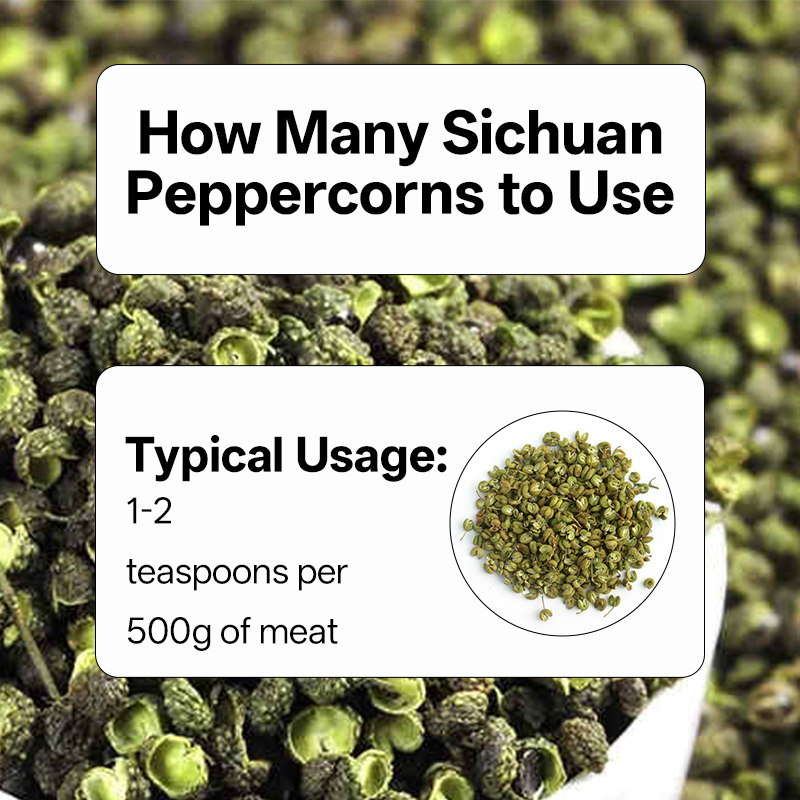
How many peppercorns should I add when cooking? This article can answer your question: how many sichuan peppercorns to use
How to Choose High-Quality Sichuan Pepper
Selecting premium Sichuan peppercorns is essential to experiencing their authentic flavor, aroma, and health benefits. Here’s a practical guide to help you identify the best quality:
1. Appearance
Color:
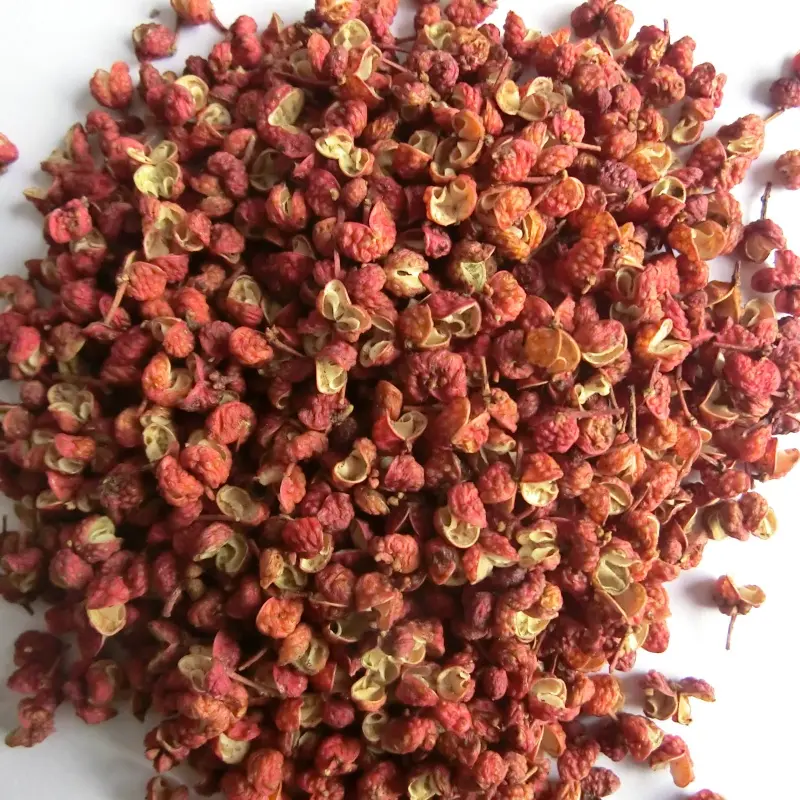
Red Sichuan Peppercorns (Zanthoxylum bungeanum) should be a vibrant reddish-brown or purplish-red, not dull or overly dark. Avoid unnaturally bright red peppercorns, as they may be artificially dyed.
Green Sichuan Peppercorns (Zanthoxylum schinifolium) should be a fresh, olive green. They will naturally darken over time but should never be brown or black.
Form: Look for whole, intact husks that are plump and uniform in size. They should be free from excessive broken pieces, stems, seeds (which are bitter), or any visible foreign matter like sand or dust.
2. Aroma
Give the peppercorns a good sniff. High-quality Sichuan pepper has a complex, fresh fragrance that is:
Citrusy and Woody: A bright, clean scent reminiscent of lemon peel or grapefruit, combined with a warm, woody note.
Floral: Some varieties may have a subtle floral hint.
Avoid: Any musty, stale, oily, or rancid smells, which indicate old age, poor storage, or contamination.
3. Taste & Sensation
If possible, taste a single husk (spit out the seed).
Clean Flavor: It should have a mild, slightly piney or herbal taste without any harsh bitterness (which comes from the seed).
The "Ma" Numbness: The hallmark of good Sichuan pepper is its numbing effect. Within 3-5 seconds of chewing, you should feel a distinct, tingling, and buzzing sensation on your lips and tongue. This feeling should be strong and clear, not weak or delayed. A lack of this sensation usually means the peppercorns are old and have lost their volatile oils.
By using these simple visual, olfactory, and taste tests, you can ensure you’re getting the genuine article that will deliver the full, authentic Sichuan pepper experience in your cooking.
Read this article to learn about ways to wholesale Sichuan peppercorns: Where Can I Wholesale Chinese Peppercorns?
Storage & Shelf Life: Keeping Your Sichuan Pepper Fresh
Proper storage is crucial to preserving the vibrant aroma, potent numbing sensation ("ma"), and health-promoting compounds of Sichuan pepper. Improper handling can lead to a rapid loss of flavor and quality.
Best Storage Practices:
Airtight Container: Always store your Sichuan peppercorns in an airtight container. Glass jars with tight-sealing lids or high-quality resealable food-grade plastic bags work well.
Cool, Dark, and Dry: Keep the container in a cool, dark pantry or cupboard, away from direct sunlight, heat sources (like the stove or oven), and humidity. Heat and light are the primary enemies of the essential oils that give Sichuan pepper its unique character.
Avoid the Fridge (for whole peppercorns): The refrigerator’s moisture can cause whole peppercorns to absorb water and become soft or moldy. It’s generally not recommended unless your kitchen is very hot and humid.
Freezing for Long-Term Storage: For long-term preservation (over 6 months), freezing is an excellent option. Place the airtight container in the freezer. The cold temperature will effectively halt the degradation of volatile oils. Just be sure to let the container come to room temperature before opening it to prevent condensation from forming inside.
Shelf Life Guidelines:
Whole Peppercorns: When stored properly in a cool, dark, and dry place, whole Sichuan peppercorns can retain their quality for 12 to 18 months. Their numbing power will gradually diminish over time, but they remain usable.
Ground Sichuan Pepper: Once ground, the spice’s surface area increases dramatically, causing its essential oils to evaporate much faster. For the best flavor and potency, use ground Sichuan pepper within 3 to 6 months. It’s always recommended to grind your peppercorns in small batches as needed.
By following these simple storage tips, you can ensure that every pinch of Sichuan pepper delivers its signature tingle and complex flavor to your dishes.
Conclusion: A Flavorful Path to Wellness
So, is Sichuan pepper good for you? For the vast majority of people, the answer is a qualified yes. When used as a culinary spice in moderation, it is far more than just a flavoring agent. It is a package of bioactive compounds with real, science-backed potential to support your health—from acting as a natural painkiller and powerful antioxidant to aiding your digestion and possibly even benefiting your heart.
Its long history in Traditional Chinese Medicine provides a valuable roadmap for its safe and effective use, emphasizing balance and context. While it’s not a magic bullet or a substitute for medical treatment, incorporating this fascinating spice into your diet is a delicious way to add a layer of complexity to your meals and potentially reap some significant health rewards. Just remember to listen to your body, start slowly if you're new to it, and enjoy the unique, tingling journey it offers.
Looking for Premium-Quality Sichuan Pepper?
For chefs, food manufacturers, and retailers seeking a reliable global supplier of authentic, high-grade Sichuan pepper, look no further than Weifang Manna Foods Co., Ltd. (Manna Food).
As a professional manufacturer and exporter since 2006, we specialize in processing and wholesaling a full range of Sichuan peppercorns—including Red Sichuan Peppercorns, Green Sichuan Peppercorns, and custom-ground Szechuan Pepper Powder—to meet diverse culinary and industrial needs.
Why Partner with Manna Food?
Global Reach: We export to the United States, Japan, Canada, Europe, the Middle East, Taiwan, and beyond.
Full-Service Processing: Our state-of-the-art, stainless steel facility is equipped with specialized machinery for cleaning, color sorting, grinding, demagnetizing, metal detection, and vacuum packaging—ensuring consistent, premium quality.
Stringent Quality & Safety: We maintain rigorous pesticide control and operate in workshops certified under HACCP, HALAL, and ISO 22000 (note: ISO 2008 is outdated; current standard is ISO 22000 for food safety). We also hold FDA registration, a Chinese food production license, and self-operated import/export rights.
Beyond Sichuan Pepper: We also produce compound seasonings, dehydrated vegetables, and other spice products tailored to customer specifications.
Whether you need bulk whole peppercorns or custom spice blends, Manna Food combines traditional sourcing with modern food safety standards to deliver the authentic "ma" sensation your customers crave. Contact us today for a quote!
811.webp)