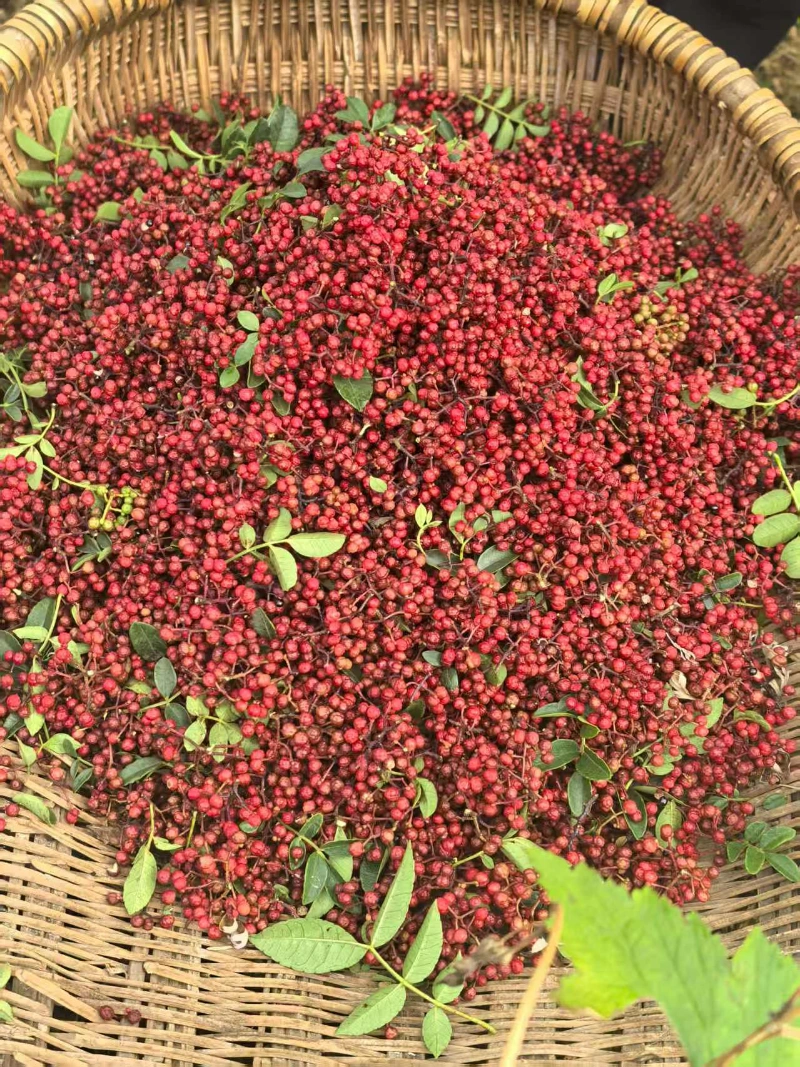
If you’ve ever eaten authentic Sichuan cuisine and felt that strange tingling, buzzing sensation on your tongue—congratulations, you’ve met Sichuan pepper.
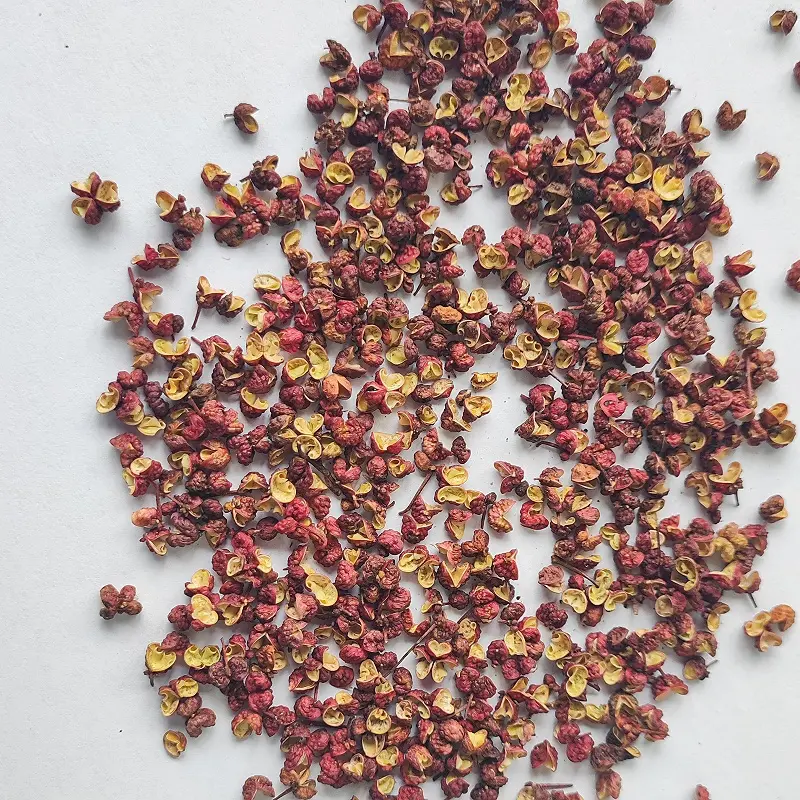
Despite the name, Sichuan pepper isn’t actually a “pepper” in the traditional sense. It doesn’t come from the same plant family as black pepper or chili peppers. Instead, it’s the dried husk of a berry from the prickly ash tree, widely used in Chinese cooking, especially in Sichuan cuisine.
But is it all flavor fireworks and culinary excitement—or are there downsides too?
This in-depth guide breaks down the pros and cons of Sichuan pepper, along with its health effects, culinary uses, safety considerations, and practical tips so you can decide how (and whether) to incorporate it into your kitchen.
What Is Sichuan Pepper?
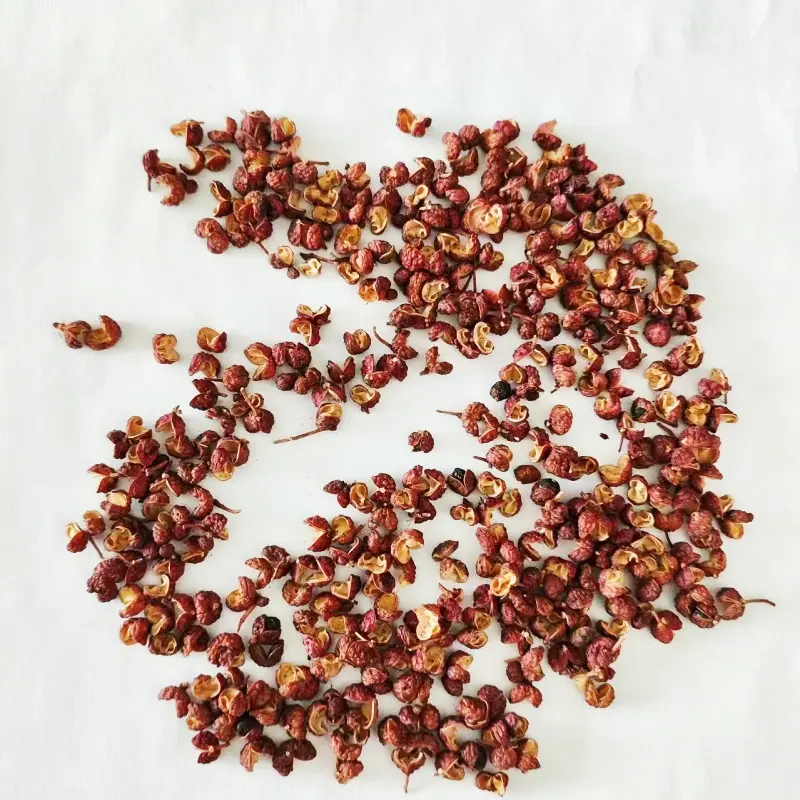
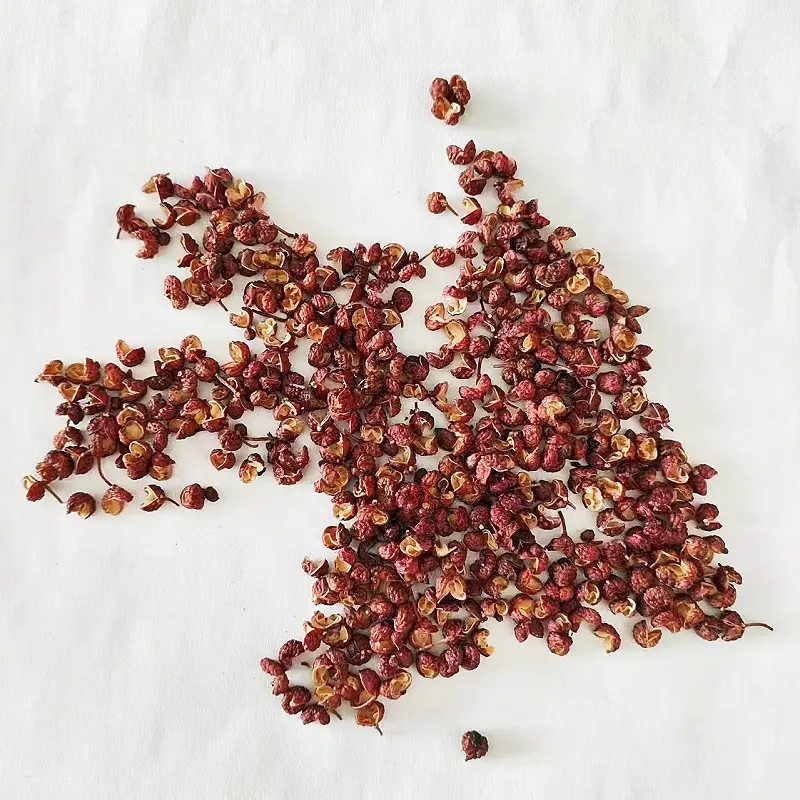
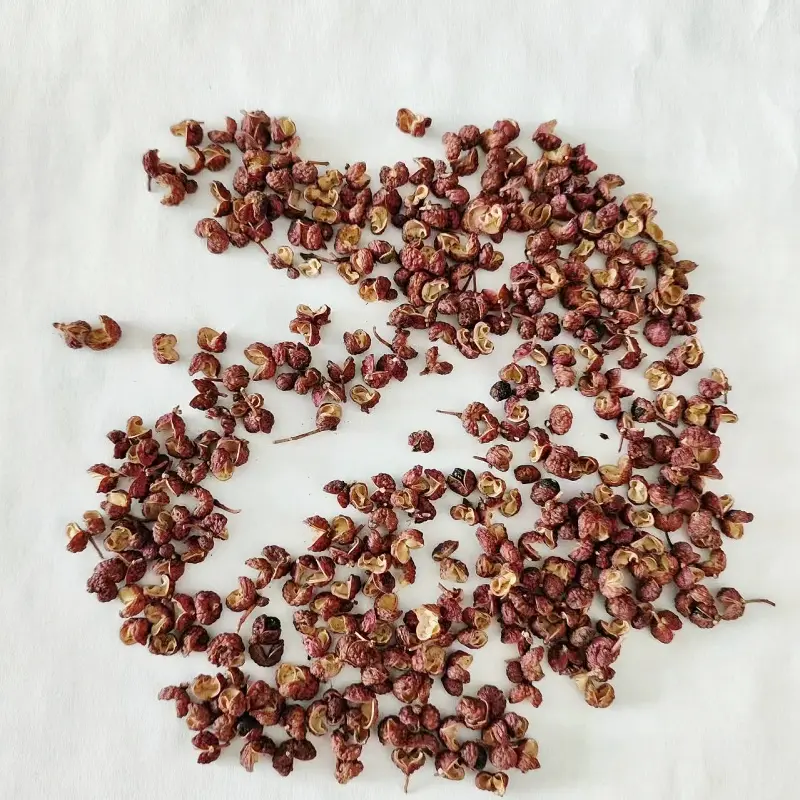
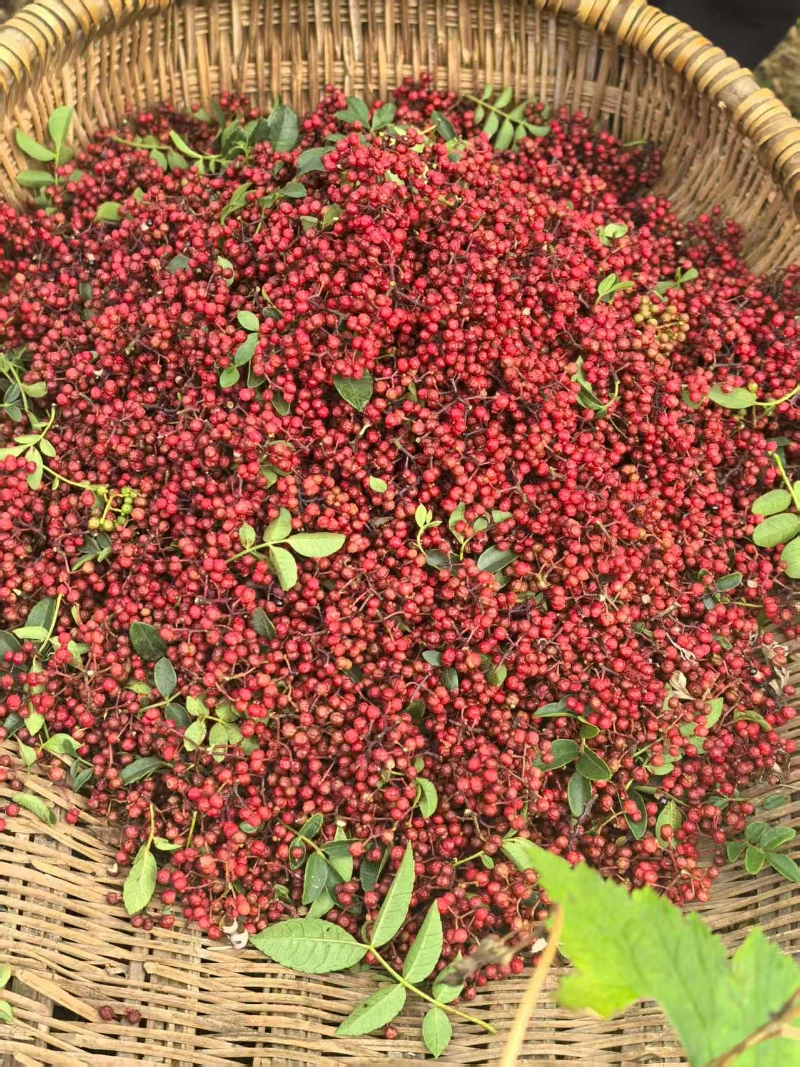
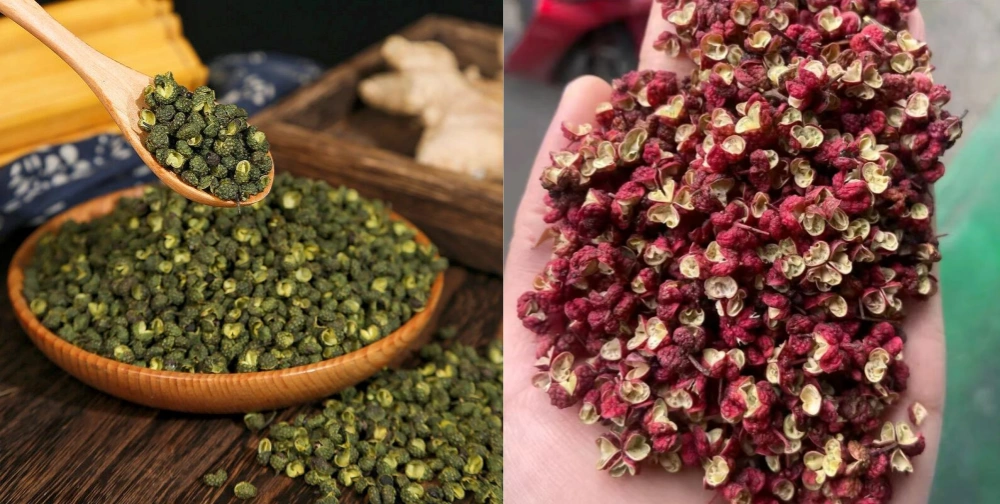
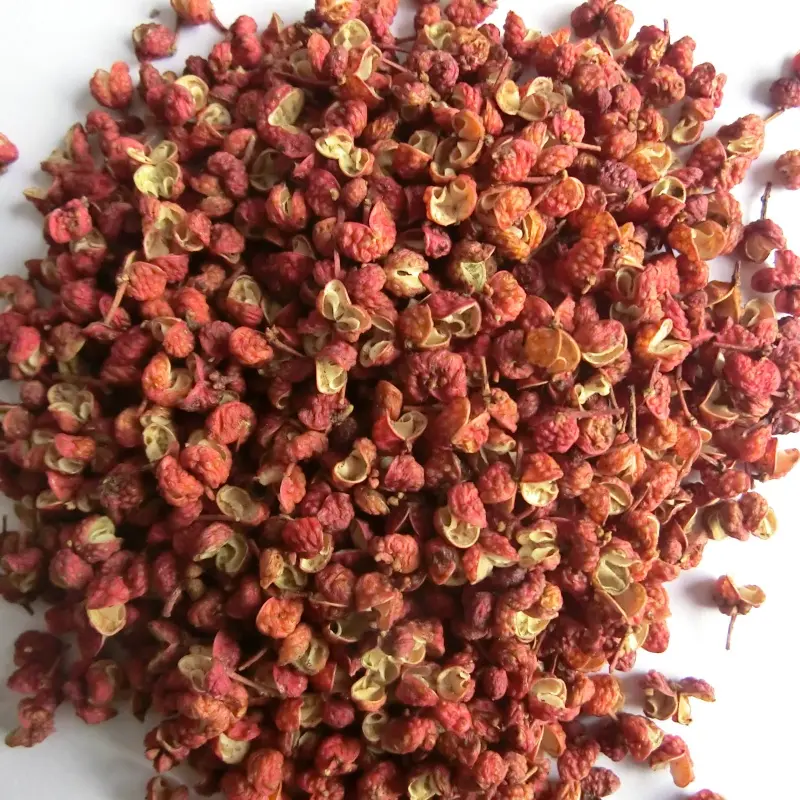
Sichuan pepper comes from plants in the genus Zanthoxylum, most commonly Zanthoxylum simulans and Zanthoxylum bungeanum. The spice is made from the outer husk of the berry, not the seed inside.
Key Characteristics:
Flavor: citrusy, floral, slightly woody
Sensation: numbing or tingling (“má” in Chinese)
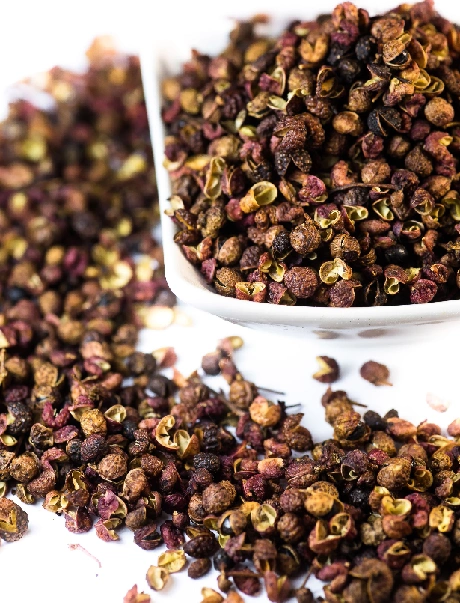
Color: reddish-brown husks
It’s a core ingredient in the famous flavor profile known as málà, which combines numbing (má) and spicy heat (là).
Pros of Sichuan Pepper
Let’s start with the good news—because there’s quite a lot of it.
1. Unique Flavor That You Can’t Replace
Sichuan pepper delivers a sensory experience unlike any other spice.
Adds depth to dishes
Enhances other flavors
Creates a signature “tingling” mouthfeel
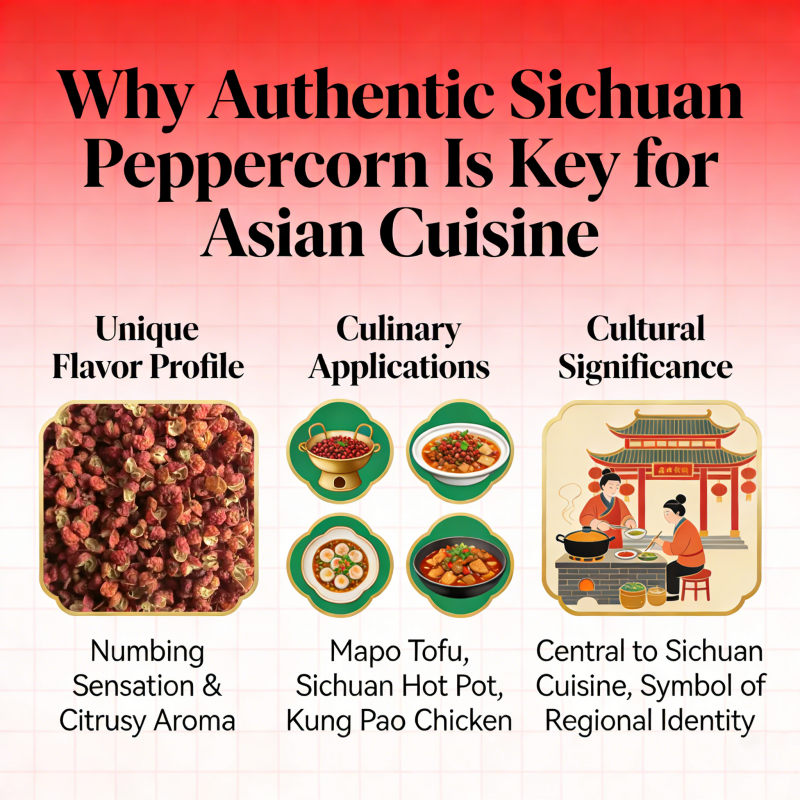
This is why it’s essential in dishes like:
Mapo tofu
Hot pot
Dan dan noodles
Without it, those dishes lose their identity.
2. Enhances Appetite and Digestion
Traditionally, Sichuan pepper has been used to stimulate appetite.
Possible benefits:
Encourages saliva production
Enhances digestive enzyme activity
Makes rich foods easier to enjoy
In cuisines with heavy oils and bold flavors, this spice acts as a natural balance.
3. Potential Health Benefits
Sichuan pepper contains bioactive compounds such as:
Hydroxy-alpha-sanshool (responsible for numbing effect)
Antioxidants
Anti-inflammatory agents
Potential Benefits:
May reduce inflammation
Supports digestive health
Could improve circulation
While not a miracle ingredient, it certainly brings more to the table than just flavor.
4. Natural Antibacterial Properties
Some studies suggest Sichuan pepper has mild antibacterial effects.
This may:
Help preserve food
Reduce harmful bacteria in certain dishes
Historically, spices like this were often used for both flavor and preservation.
5. Versatility in Cooking
Sichuan pepper isn’t limited to Chinese dishes.
You can use it in:
Marinades
Spice rubs
Infused oils
Fusion cuisine
Creative chefs even use it in desserts and cocktails for a surprising twist.
6. Low Calorie, High Impact
A small amount goes a long way.
Adds bold flavor without calories
Ideal for enhancing dishes without extra fat or sugar
Cons of Sichuan Pepper
Now let’s talk about the less glamorous side—because even great ingredients have their quirks.
1. Numbing Sensation Isn’t for Everyone
The tingling effect is fascinating—but not universally loved.
Some people describe it as:
Strange
Overpowering
Slightly uncomfortable
If used excessively, it can:
Numb the entire mouth
Mask other flavors
Moderation is key.
2. Can Cause Allergic Reactions
Though rare, some individuals may experience:
Mouth irritation
Skin sensitivity
Digestive discomfort
If you’re trying it for the first time, start small.
3. Not Always Easy to Find High-Quality Products
Quality varies widely depending on:
Source
Processing
Freshness
Low-quality Sichuan pepper may:
Taste bitter
Lack aroma
Contain seeds (which are gritty and unpleasant)
4. Requires Proper Preparation
You can’t just throw it into food and hope for the best.
Correct Usage:
Lightly toast before use
Grind or crush for better flavor release
Remove seeds if necessary
Skipping these steps can result in poor flavor.
5. Overuse Can Ruin a Dish
This spice is powerful.
Too much can:
Overwhelm other ingredients
Create excessive numbing
Make dishes unbalanced
Think of it as a supporting actor, not the main character.
6. Legal Restrictions (Historically)
At one point, imports of Sichuan pepper into the U.S. were restricted due to agricultural concerns.
While these restrictions have largely been lifted, it’s a reminder that:
Not all products are treated or processed equally
Regulations can affect availability

How to Use Sichuan Pepper Correctly
If you want the pros without the cons, technique matters.
Step-by-Step Usage Guide
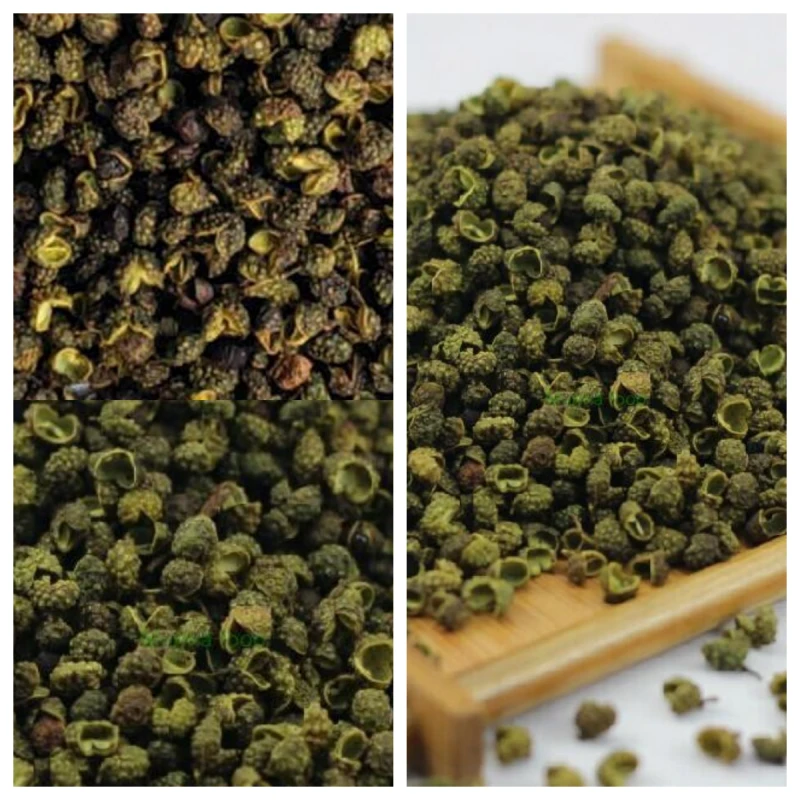
1. Select High-Quality Pepper
Bright color
Strong citrus aroma
Minimal seeds
2. Dry Toast the Husk
Heat in a pan for 1–2 minutes
Releases essential oils
3. Grind or Crush
Use a spice grinder or mortar and pestle
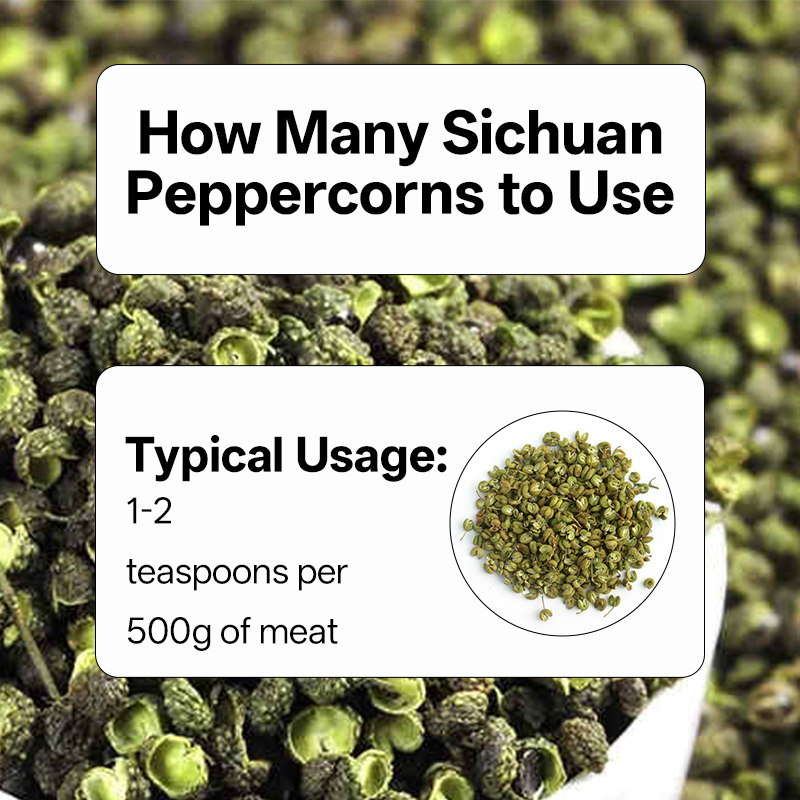
4. Use in Moderation
Start with small amounts
Adjust to taste
Popular Cooking Methods
Infused oil (Sichuan pepper oil)
Spice blends
Stir-fries
Sauces
Sichuan Pepper vs Other Spices
Let’s clear up a common confusion.
Sichuan Pepper vs Black Pepper
| Feature | Sichuan Pepper | Black Pepper |
|---|---|---|
| Flavor | Citrusy, floral | Sharp, spicy |
| Sensation | Numbing | Heat |
| Plant Type | Zanthoxylum | Piper nigrum |
Sichuan Pepper vs Chili Pepper
| Feature | Sichuan Pepper | Chili |
|---|---|---|
| Heat Level | Mild | Hot |
| Sensation | Tingling | Burning |
| Role | Flavor enhancer | Heat source |
Who Should Use Sichuan Pepper?
Great For:
Food enthusiasts
Fans of bold flavors
People exploring Asian cuisine
Be Cautious If:
You have spice sensitivity
You prefer mild flavors
You have allergies
Storage Tips
To maintain freshness:
Store in an airtight container
Keep away from light and heat
Use within 6–12 months
Fresh Sichuan pepper = better flavor.
Final Verdict: Is Sichuan Pepper Worth It?
Absolutely—if used correctly.
Pros Recap:
Unique flavor and sensation
Culinary versatility
Potential health benefits
Cons Recap:
Not for everyone
Requires proper handling
Easy to overuse
Final Thoughts
Sichuan pepper is one of the most fascinating spices in the world—not because it’s the hottest, but because it creates an entirely different sensory experience.
Used well, it transforms dishes into something memorable. Used poorly, it can overwhelm everything else.
So approach it like a powerful tool:
Start small
Learn its behavior
Adjust to your taste
And once you get it right, you might find yourself wondering how your kitchen ever functioned without that little buzz of magic.
811.webp)