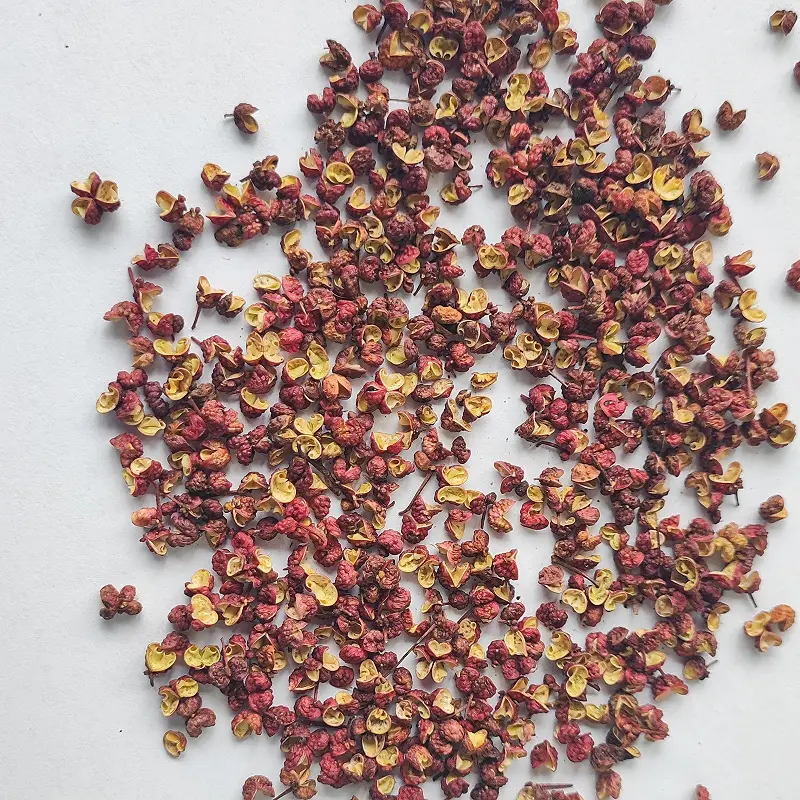
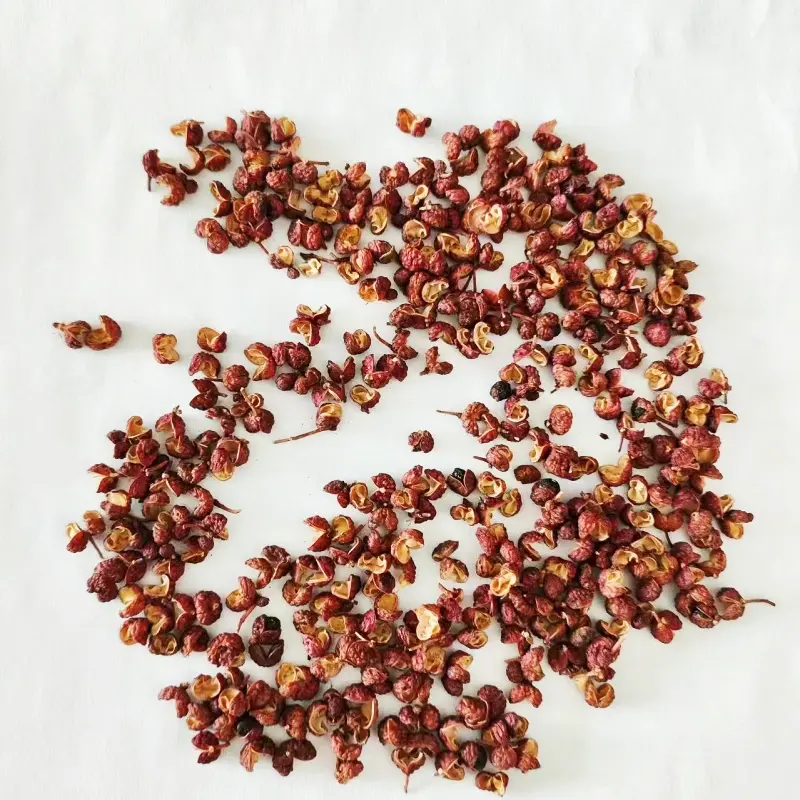
Chinese star anise is one of the world's most important culinary spices, valued for its distinctive eight-pointed shape, sweet licorice-like aroma, and naturally occurring aromatic compounds. For centuries, it has been used in Asian cuisine, traditional food preparation, spice blends, beverages, and flavoring applications.
Today, Chinese star anise is also an important commercial raw material for spice wholesalers, seasoning manufacturers, food processors, beverage companies, and international importers. China is the dominant global production source, with industry and scientific reviews reporting that Chinese production accounts for approximately 80% of the world's star anise supply. Major growing areas include Guangxi and Yunnan.
But what are the actual Chinese star anise benefits, and why is Chinese star anise so widely used by international buyers? This guide examines its natural compounds, culinary benefits, industrial applications, quality characteristics, safety considerations, and sourcing advantages.
What Is Chinese Star Anise?
Chinese star anise is the dried fruit of Illicium verum, an evergreen tree native to southern China and northern Vietnam. The dried fruit naturally forms a star-like structure, usually containing several carpels arranged around a central point.
The spice is recognized by its reddish-brown color and strong sweet aroma, which is often compared with licorice or anise. Its characteristic fragrance comes largely from trans-anethole, although the complete aroma profile contains multiple volatile compounds.
One study examining star anise aroma found that trans-anethole was the key contributor to its characteristic odor, while other structurally related compounds also contributed to the overall aroma profile.
This combination of aroma, flavor, and naturally occurring compounds makes star anise valuable not only as a household spice but also as an industrial ingredient.

Chinese Star Anise Benefits
The benefits of Chinese star anise can be understood from two perspectives: its natural chemical composition and its practical value as a food ingredient.
It is important to distinguish food and flavoring benefits from medical claims. Star anise is primarily a spice and raw material; laboratory findings about individual compounds should not automatically be interpreted as proven medical effects in humans.
1. Rich in Natural Aromatic Compounds
One of the most important benefits of Chinese star anise is its rich aromatic profile.
Trans-anethole is particularly important because it provides the sweet, anise-like character associated with the spice. Commercial research has identified trans-anethole as a dominant component of star anise volatile oil. One analysis of commercial star anise essential oil reported approximately 47.16% trans-anethole, together with estragole at 14.4% and foeniculin at 8.86%.
The exact composition can vary according to cultivar, geographical origin, harvesting conditions, drying method, storage, and processing.
For food manufacturers, this aromatic profile is an important quality indicator because stronger natural aroma can improve the sensory performance of seasoning formulations.
2. Excellent Flavoring Ingredient
Chinese star anise is particularly valuable because a relatively small amount can contribute a recognizable flavor to a food formulation.
It is widely used in:
Five-spice powder
Meat seasoning
Braised meat
Marinades
Sauces
Broths
Pickled foods
Instant noodles
Bakery products
Confectionery
Tea and flavored beverages
Its sweet, warm and slightly licorice-like flavor works especially well with meat and savory ingredients.
For seasoning brands, this means star anise can provide both aroma and flavor while helping create a recognizable traditional Asian flavor profile.
3. A Natural Source of Shikimic Acid
Another important benefit of Chinese star anise is its naturally occurring shikimic acid.
Shikimic acid has attracted considerable scientific and industrial attention because it is an important chemical intermediate used in pharmaceutical manufacturing. Research has repeatedly identified star anise as a commercially important natural source of this compound.
The concentration is not fixed. A published study using HPLC analysis reported approximately 7.1% shikimic acid on a dry-weight basis in the tested Chinese star anise material.
Another food-science study found that drying conditions could significantly influence shikimic acid levels. Under the tested conditions, microwave-dried samples reached 125.56 mg/g dry basis, demonstrating how processing can affect the chemical characteristics of the final product.
For industrial buyers, this is one reason quality control and processing technology matter when sourcing Chinese star anise.
4. Valuable Source of Essential Oil
Star anise is also an important raw material for essential oil production.
Its volatile oil can be obtained through extraction or distillation and is used in applications involving:
Food flavoring
Fragrance
Aromatic products
Traditional formulations
Personal-care ingredients
Research on drying technology demonstrates that processing conditions can influence volatile oil content. In one study, heat-pump-dried star anise showed volatile oil content of 12.27% on a dry basis, while the measured trans-anethole-related fraction reached 113.30 mg/g under the tested conditions.
These figures should not be treated as universal specifications because actual results depend on raw material and processing conditions. However, they demonstrate why drying and post-harvest handling are important to commercial star anise quality.
5. Potential Antioxidant and Antimicrobial Properties
Scientific research has investigated the antioxidant and antimicrobial properties of star anise and its extracts.
These effects are associated with various naturally occurring compounds in the plant. However, much of the available evidence involves laboratory, extract, or animal studies rather than large-scale human clinical trials.
Therefore, it is more accurate to say that star anise contains compounds that have demonstrated biological activity in scientific research rather than claiming that consuming star anise can prevent or cure specific diseases.
For food manufacturers, these properties are scientifically interesting but should remain separate from regulatory health claims used on consumer packaging.

Chinese Star Anise Benefits for Food Manufacturers
For B2B buyers, the most useful benefits are often practical rather than medical.
Chinese star anise offers:
Strong aroma: Suitable for seasoning blends where aromatic intensity is important.
Recognizable flavor: Helps create traditional Asian flavor profiles.
Versatile applications: Works across meat, sauces, beverages, spice blends, and processed foods.
Bulk availability: China's large production base supports commercial-scale sourcing.
Processing flexibility: Manufacturers can supply different grades, sizes, cleaning levels, and packaging formats.
Industrial value: Its volatile oil and shikimic acid content create opportunities beyond conventional culinary applications.
Why Is Chinese Star Anise So Important in the Global Market?
China has a particularly strong position in the global star anise supply chain. Scientific reviews identify Guangxi as the principal production area, with important growing locations including Baise, Nanning, Qinzhou, Wuzhou, and Yulin. Yunnan is another important producing province.
The scale of China's production creates several advantages for international buyers.
Stable Bulk Supply
Large-scale production makes China a natural sourcing destination for importers and wholesalers purchasing commercial quantities.
Mature Processing Industry
Chinese suppliers have developed established processes for:
Drying
Cleaning
Sorting
Grading
Quality inspection
Packaging
Export preparation
Competitive Pricing
Large production volumes and an established supply chain can help Chinese manufacturers offer competitive factory-direct pricing, particularly for container and long-term orders.
Customized Supply
International buyers can often request different grades, packaging sizes, private-label packaging, and specifications according to their market.

Chinese Star Anise Quality Specifications
For professional buyers, quality should be evaluated using measurable specifications rather than appearance alone.
Important parameters include:
Botanical identity
Pod size
Pod integrity
Color
Aroma
Moisture
Foreign matter
Broken pieces
Volatile oil characteristics
Microbiological quality
Pesticide residues
Heavy metals
Packaging condition
Premium whole star anise generally has well-developed star-shaped pods, consistent color, strong natural aroma, low foreign matter, and controlled moisture.
Processing is particularly important. Research has shown that drying methods can influence color, flavor, volatile oil, shikimic acid, and trans-anethole characteristics.
Therefore, a supplier's processing capability can be just as important as the geographical origin of the raw material.
Chinese Star Anise and EU Food Safety Requirements
European importers should pay close attention to pesticide residue testing.
The EU regulates pesticide residues through Maximum Residue Levels, or MRLs. The European Commission explains that an MRL represents the highest legally tolerated level of a pesticide residue in or on food or feed when pesticides have been applied according to good agricultural practice.
EU legislation covers a large number of pesticide substances and agricultural products. Where a pesticide is not specifically listed, the general default MRL is 0.01 mg/kg, subject to the applicable legal framework and product classification.
For Chinese star anise intended for the European market, professional suppliers should therefore establish a testing and traceability system covering:
Raw material sourcing
Agricultural practices
Batch traceability
Pesticide residue screening
Microbiological testing
Heavy metal testing where applicable
Export documentation
A reliable supplier should be able to provide current laboratory test reports and documentation relevant to the buyer's destination market.

Chinese Star Anise vs Other Origins
China is not the only source of star anise. Vietnam and other Southeast Asian countries also produce Illicium verum.
However, China has a major advantage in terms of production scale. Reviews report that China accounts for approximately 80% of global star anise production, giving Chinese suppliers a strong position for large-volume international procurement.
For buyers, however, origin alone should not determine quality.
A better purchasing approach is to evaluate:
Raw material origin
Product grade
Aroma and appearance
Moisture
Foreign matter
Laboratory testing
Processing technology
Packaging
Export experience
Supply capacity
In other words, Chinese origin is an advantage, but supplier-level quality control is what turns raw material into a dependable commercial product.
How to Buy Chinese Star Anise in Bulk
Chinese star anise is commonly purchased by:
Spice wholesalers
Food manufacturers
Seasoning brands
Importers
Distributors
Restaurant supply companies
Essential oil producers
Ingredient companies
Before placing a large order, buyers should request a representative sample and confirm the required specifications.
For European orders, buyers should also request recent pesticide residue testing and verify that the testing scope matches the applicable EU requirements for the product.
Packaging can be customized according to the supply chain, including bulk bags, cartons, vacuum packaging, retail-ready packaging, and private-label formats.
For long-term contracts, buyers should also establish specifications for moisture, foreign matter, grade, packaging, testing, and acceptable batch-to-batch variation.
Frequently Asked Questions About Chinese Star Anise Benefits
What are the main Chinese star anise benefits?
The main benefits are its strong natural aroma, distinctive flavor, versatility in food applications, essential oil content, and naturally occurring shikimic acid. Scientific studies have also investigated its antioxidant and antimicrobial properties.
Is Chinese star anise different from regular star anise?
Chinese star anise generally refers to Illicium verum, the species commercially used as culinary star anise. The term “regular star anise” is less specific and may simply refer to the spice in general.
What is Chinese star anise used for?
It is widely used in five-spice powder, meat seasoning, sauces, marinades, soups, beverages, bakery products, flavoring, and essential oil production.
Does Chinese star anise contain shikimic acid?
Yes. Studies have identified shikimic acid as a significant natural component of Illicium verum. Reported levels vary according to sample and processing conditions.
Is Chinese star anise safe to eat?
Food-grade Illicium verum is widely used as a culinary spice. Buyers should ensure that commercial products are correctly identified, properly processed, and tested according to the food safety requirements of their destination market.
Can I buy Chinese star anise in bulk?
Yes. China has a large commercial supply chain for star anise, making bulk procurement possible for wholesalers, seasoning brands, food manufacturers, and importers.
Conclusion
The benefits of Chinese star anise go far beyond its familiar star-shaped appearance. Its strong aromatic profile, trans-anethole-rich essential oil, versatile culinary applications, and naturally occurring shikimic acid make it a valuable raw material for the global food and ingredient industries.
China's dominant production position—estimated at around 80% of global supply—also gives international buyers access to a mature sourcing and processing network.
For professional buyers, however, the most important consideration is not simply whether star anise comes from China. Consistent quality requires controlled sourcing, appropriate drying and processing, laboratory testing, traceability, and reliable export documentation. For European buyers in particular, pesticide residue control and compliance with applicable EU MRL requirements should be part of the supplier evaluation process.
For wholesalers, seasoning brands, and food manufacturers looking for bulk Chinese star anise, partnering directly with an experienced manufacturer can provide greater control over quality, specifications, packaging, testing, and long-term supply.


811.webp)